The logging and clear-cutting of rain forests are some of the leading causes of soil erosion worldwide. In the Amazon rain forest of Brazil for example, an area the size of a football field is cut every second, leaving vast swaths of land vulnerable to wind, rains and floods that cause erosion. Because tree roots hold the soil together and retain water in an ecosystem, habitat can be destroyed by deforestation and the subsequent cycle of erosion set in motion.
Deforestation by activities such as unsustainable logging, ranching and mining can lead to fast and widespread erosion of rain forest soils. Logging companies clear-cut large areas of rain forest, and ranchers with little land allow cattle to overgraze delicate rain forest grasses. Agriculture is another major cause of deforestation and erosion -- although farming replaces forest with crops, the roots of non-native plants like cotton and soybeans do little to hold rain forest soils in place.
Almost half the world's topsoil has been lost to erosion, and according to data provided by the Rainforest Conservation Fund, deforestation is a direct cause of the erosion happening in tropical rain forests. Once plant cover is gone there are no roots to hold the soil in place during heavy tropical rains, which then wash away the topsoil and the nutrients necessary to regenerate future vegetation.
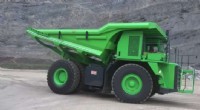
Logging companies can compound the effects of deforestation and erosion on the ecosystem when heavy logging trucks compact already thin soil and prevent new plant growth. Logging roads leave deep tire marks that erode at an accelerated pace and deposit a high volume of sediment into streams and rivers. Land that has been cleared of trees to make way for agriculture can dry out in the transition, killing a diverse host of organisms that perform beneficial ecosystem services for vegetation.
Deforested rain forest soil becomes dry and nutrient-deficient as there is no longer vegetation to hold water and nutrients in place. Heavy rains further erode soil and saturate waterways with excess nutrients, disrupting the food chains of tropical ecosystems. Eroded sediment can even change the course of rivers like the Yangtze in China, which suffers from huge deposits of silt from deforestation. Desertification is another possible consequence of erosion through deforestation -- when enough plant cover is lost, erosion takes over and former lush rain forest can be transformed into arid desert.