An air mass is a very large body of air that has a similar temperature and humidity in any horizontal direction. It can cover hundreds of thousands of square miles. According to the Bergeron Climatic Classification System, air masses form when a surface source region (continental or maritime) combines with a latitude source region (tropical, polar, arctic or Antarctic). Each type of air mass produces different weather and can affect the earth’s climate for days or months.
The continental polar air mass forms over a large, subpolar land area. It is cold and stable and has low humidity. This type of air mass creates very cold winter weather without precipitation or clouds. It is often responsible for lengthy cold spells that result in crop damage as far south as Florida. During the summer, it can bring cooling relief to the northern United States.
The continental Arctic air mass develops only in the winter over large areas of snow and ice. It is extremely cold and dry due to frigid conditions near the polar circle, caused in part by polar nights -- periods of 24-hour darkness. This air mass can produce record-breaking cold temperatures in Canada and the United States.
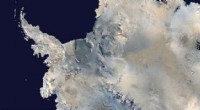
The continental Antarctic air mass forms solely over Antarctica. It is stable, extremely cold and extremely dry. It has colder temperatures than any other air mass during any season. Travel over the ocean modifies this air mass. By the time it reaches land in the Southern Hemisphere, it usually changes classification to maritime polar.
Continental tropical air is produced over the world’s deserts, including the Sahara, Arabian and Australian deserts. The southwestern desert in the U.S. is also a source during the summer. The air mass is hot and has extremely low humidity. It affects summer weather and is capable of causing drought if it lingers over a region. Heat waves that result in human and animal deaths can be caused by this air mass.
The maritime polar air mass forms over cold, polar oceans. It is cool and moist and can create mild weather in coastal areas depending on the time of year. In the winter, it produces warmer weather when the surface temperature of the ocean is higher than the land temperature. In the summer, it brings cooler weather when the ocean is colder than the continent.
The principal type of maritime air is maritime tropical. This very warm and humid air mass develops over tropical and subtropical seas and oceans. It creates rainy conditions east of the Rocky Mountains in the winter, particularly in the southeastern United States.