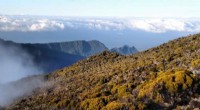
An ecosystem can be thought of as a community of plants and animals that live symbiotically. An ecosystem can be as immense as an ocean or as small as a puddle, but each needs the same components for its overall survival.
The Sun is the original source of energy for every component of every ecosystem. No life could exist without it.
Plants are referred to as producers because they produce their own food from sunlight in the form of simple sugars. Plants make up the foundation of life in an ecosystem.
Animals that eat plants are called primary consumers. They get the energy they need to live from the plants' sugars. In turn, secondary consumers such as carnivores and scavengers depend on the meat of primary consumers to live.
Decomposers such as bacteria, fungi, and insects break down dead plants and animals. The decaying organisms add nutrients to the soil that are essential for plant growth, bringing things full cycle.
An ecosystem relies on a stable and predictable climate for breeding, food production, and an adequate water source.
Levels and types of inorganic materials such as sand, soil, rocks, and water help determine what kind of animals and plants can live in a particular ecosystem.