Erosion occurs every day all over the Earth. It is a natural process involving wind, water, the sun and many other forces at work on the planet. Erosion changes the landscape of cities, mountains, buildings and rivers. Because of the ubiquity of erosion and the role it plays in the lives of billions of people, it is important to understand the ways in which erosion affects the Earth.
Erosion explains how rivers form. When raindrops fall, they cut through sediment and even rock to form channels where water can flow more freely. The path eventually becomes more pronounced, forming a path along which other raindrops can follow. Over sometimes long periods of time, erosion continues to do this to form waterways such as the Colorado River. Rivers can also form through glacial erosion whereby glaciers cut through the ground, leaving a basin for water to fill.
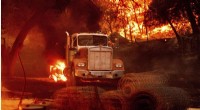
Sometimes events like heavy rains and wildfires cause soil erosion. When an area of fertile topsoil becomes eroded, it becomes difficult for plants to grow, making it difficult for animals to inhabit. If animals and plants cannot sustain themselves in a given area because of eroded topsoil, humans, too, will have difficulty making use of that land. When erosion affects land designated for crops, both current and future populations may suffer.
Erosion can cause natural disasters like landslides. The primary elements involved are water and gravity. Landslides usually occur after extremely heavy rains that loosen the soil so much that the land can no longer support itself. Landslides thus alter the landscape of the Earth. Landslides are formidable effects of erosion because they have the power to take lives as well as destroy buildings.
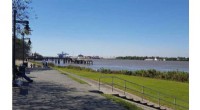
Erosion from the ocean is causing many beaches to lose their sand. The force of the oceans' tides hits the sand, breaking it up and taking it out to sea. This causes beaches to decrease in size over many years. This can negatively affect the Earth in terms of the marine ecosystems it can sustain.