Jasondoiy/Getty Images
Extreme weather events are mounting as climate change intensifies. While the eastern U.S. grapples with powerful hurricanes and historic freezes, the West Coast faces a different threat: atmospheric rivers. Scientists have recently uncovered a troubling trend in these moisture‑laden currents.
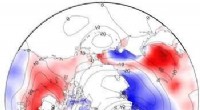
Atmospheric rivers are concentrated streams of water vapor that form in the lower atmosphere. Globally, four or five such rivers are active at any given time, delivering vital moisture across the planet. However, a 2024 study in Science Advances found that these rivers are drifting poleward, moving up to 10° away from the equator during boreal winter months (December–February). This shift could dramatically alter precipitation patterns, especially along the U.S. West Coast, where some regions may experience heavier rains while others could face intensified droughts.
BEST‑BACKGROUNDS/Shutterstock
These rivers originate in tropical zones where warm seas evaporate water, creating dense vapor plumes. Strong winds transport this vapor through the atmosphere. When the rivers cross land, the vapor rises into colder layers, condenses, and releases precipitation—be it rain or snow.
Pacific Ocean waters are the most prolific source, funneling moisture northward toward the U.S. and Canadian coasts. California receives about 50% of its annual rainfall from atmospheric rivers, including the well‑known “Pineapple Express,” which carries stormy moisture from near Hawaii.
Mario Tama/Getty Images
The poleward migration of atmospheric rivers poses significant risks. According to the Science Advances paper, the phenomenon aligns with cooling trends in the eastern Pacific’s “equatorial cold tongue” off South America—a region that has been cooling since 2000, contrary to global warming patterns. While the precise drivers remain under investigation, possible links include increased cold air influx from Antarctica.
Because atmospheric rivers account for roughly 80% of West Coast flooding and cost about $1 billion in damages each year, a shift could mean more frequent, severe floods in the Pacific Northwest. Meanwhile, Southern California—already battling drought—may see even drier conditions, compounding water scarcity challenges.