Photo By Chris Axe/Getty Images
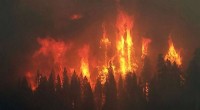
During the January 2025 Palisades and Eaton fires, Los Angeles County firefighters battled intense blazes that reminded Californians that these events are part of an escalating trend, not isolated incidents. The California Department of Forestry and Fire Protection reports that 18 of the 20 most destructive wildfires in the state's history erupted in the 21st century, with seven occurring in the last five years.
Climate change drives the increasing severity of California wildfires, with prolonged droughts and higher temperatures fueling catastrophic fires worldwide. Yet, an iconic cartoon figure also played a role by shaping public perception of wildfire prevention.
Smokey Bear, the anthropomorphic bear with a ranger hat, has become an enduring symbol of wildfire prevention. Debuting during World II amid fears that Japanese forces might ignite fires along the West Coast, Smokey has led the longest‑running public‑service campaign in U.S. history. Nevertheless, his strict anti‑fire stance may have unintended consequences.
However, the campaign’s insistence on total suppression is misguided. Natural fire regimes are essential for ecosystem health; eliminating all fires has made California forests increasingly susceptible to severe blazes.
Trekandshoot/Getty Images
Smokey Bear has effectively heightened public awareness of wildfire risks, with practical tips like careful match disposal and safe campfire construction. Yet, the campaign has long advocated immediate suppression of any wild ignition. While prompt extinguishment is valuable, nature’s fire dynamics are more nuanced, and certain fires must be allowed to burn.
Historically, forest ecosystems experienced regular fire cycles that removed dead vegetation, creating a sparse understory that helped regulate fire intensity. Under the suppression model promoted by Smokey, many of these low‑intensity fires were extinguished, allowing hazardous buildup of dead plant material and turning the forest floor into tinder.
When fires encounter abundant dry fuel, they spread more rapidly and inflict greater damage. The accumulation of undergrowth over decades has amplified the severity of fires when they finally ignite. In response to the sharp increase in wildfires, the immediate suppression approach is being re‑examined, and agencies such as Cal Fire now employ prescribed burns to restore natural fire regimes.