Jeanie Berna/Shutterstock
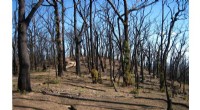
Koalas are instantly recognizable icons of Australian wildlife, yet they also stand as stark reminders of species vulnerability in a rapidly changing climate. The International Union for Conservation of Nature (IUCN) currently lists koalas as “Vulnerable,” but that assessment dates back more than a decade, and recent research suggests the population may now be functionally extinct in the wild. The devastating 2022 Australian bushfires only compounded the crisis, further decimating habitat and food sources.
While koalas face severe threats, their survival to this day is a testament to a complex mix of biological adaptation and ecological resilience. However, the species remains highly susceptible to climate change, habitat loss, and the very narrow dietary niche that defines it.
LouieLea/Shutterstock
Koalas’ reliance on eucalyptus is arguably one of the most paradoxical dietary strategies in the animal kingdom. Eucalyptus leaves are laden with toxins that would make most mammals ill, yet koalas possess a highly specialized digestive system that neutralises these compounds. Unfortunately, the nutritional payoff is minimal: eucalyptus is low in calories, high in fibre, and virtually devoid of essential nutrients. Consequently, a koala’s net energy gain is so limited that it must rest up to 20 hours per day and spend most of its waking hours feeding.
Adding to the challenge, koalas accept less than 90 % of eucalyptus species, feeding on fewer than 50 varieties out of the 700 or so found in Australia. They also appear unable to recognise leaf material unless it is attached to a tree; a plate of eucalyptus leaves will often go uneaten. These quirks have earned koalas a reputation as one of the world’s most “stupid” animals, though such judgments are anthropocentric.
Imagevixen/Getty Images
Intelligence is context-dependent, and comparing animal cognition to human standards can be misleading. Koalas have brains that occupy only about 60 % of their skull volume, one of the lowest brain‑to‑body ratios among mammals. Their cerebral cortex is largely smooth, lacking the gyrification that increases surface area and supports complex neural networks in many other species.
These features might suggest limited cognitive capacity, yet they are precisely what enable koalas to thrive on a diet that few others can digest. In nutrient-poor Australian forests, where soil quality is low, eucalyptus is often the most abundant resource. A large, energy‑intensive brain would be a costly luxury in such an environment. Thus, what appears as “dumbness” is, in fact, a finely tuned evolutionary trade‑off that prioritises survival over high‑level cognition.
While koalas’ survival is precarious, understanding the interplay of their physiological constraints, ecological niche, and the escalating impacts of climate change can inform more effective conservation strategies.
Source: IUCN Red List, Australian Bushfire Impact Studies.
---