Deforestation is reshaping our planet, turning forests into farmland, settlements, and commercial zones. Each tree felled disrupts a finely tuned web of life—plants, animals, weather, and climate—shifting ecosystems in ways that ripple far beyond the immediate loss.
Trees serve as homes for more than 80% of terrestrial wildlife. When forests are cleared for logging, agriculture or development, species lose shelter, food, and breeding grounds. Habitat fragmentation further isolates populations, jeopardizing migration routes and genetic diversity. The result: increased extinction risk and heightened human–wildlife conflict.
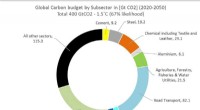
On average, a single mature tree supplies enough oxygen for four people each day (USDA). Trees also lock carbon dioxide (CO₂) in their biomass, preventing it from entering the atmosphere. When trees are cut, not only is oxygen output curtailed, but the carbon stored in trunks, branches, and roots is released. According to the Environmental Defense Fund, tropical deforestation accounts for about 20% of annual greenhouse‑gas emissions. Moreover, forests that once absorbed up to 16 billion metric tons of CO₂ per year are now gone, leaving the planet with fewer natural carbon sinks.
Forest cover moderates local moisture levels, making wildfires less likely. Deforestation dries landscapes, lowering the ignition threshold. Human‑caused fires are already prevalent; tree removal exacerbates their frequency and intensity. Fires release fine particulate matter (PM 2.5), lead, hydrocarbons, and nitrogen dioxide—air‑pollutants that threaten human health—and generate additional CO₂, creating a vicious cycle that fuels climate change.
Tree roots bind soil, while foliage intercepts rainfall, allowing gradual infiltration. Once trees are gone, runoff increases, accelerating soil erosion and elevating flood risk. The World Wildlife Fund reports that half of the world’s topsoil has been depleted in the past 150 years, a loss compounded by deforestation and intensive monoculture farming. Erosion can transport fertilizers, pesticides, and other pollutants into waterways, contaminating ecosystems and threatening aquatic life.
Forests are often cleared to make way for livestock pastures or cash crops like palm oil and cacao. While such conversion can boost short‑term yields, the long‑term effects—reduced biodiversity, increased pests, and degraded soil nutrients—can undermine food security. Deforested lands are more susceptible to erosion and nutrient loss, raising crop prices and heightening the risk of shortages.
Approximately 60 million Indigenous peoples worldwide rely on forest ecosystems for food, medicine, cultural practices, and identity (Cultural Survival). The loss of trees can strip these communities of vital resources and cultural sites. The Yanomami of the Amazon illustrate the stakes: exposure to miners has increased mortality, while the depletion of forest resources threatens their diet, medicinal plants, and traditions.
Deforestation amplifies climate change through higher CO₂ emissions, more frequent fires, and soil loss. Trees that absorb up to 16 billion metric tons of CO₂ annually are now gone, and forest loss contributed roughly 6% of global CO₂ emissions in 2023. While some companies claim to offset losses by planting new trees elsewhere, the survival of these saplings in a warming world is uncertain. Climate experts argue that restoring forests and reducing emissions simultaneously offers the best chance to mitigate future warming.