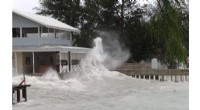
Tuvalu is a diminutive island nation in the South Pacific, comprising nine low‑lying islets that together cover just 10 square miles (26 km²). Despite its geographic isolation and minimal infrastructure, Tuvalu remains a striking example of resilience amid rising sea levels.
Situated northeast of Fiji, Tuvalu lies at the heart of Polynesia, straddling the equator. The capital, Funafuti, hosts the country’s sole international airport and is the only area with a paved runway. The nation’s average elevation is a mere 6.5 feet (2 m) above sea level, making it one of the most climate‑vulnerable states worldwide.
Access is a major barrier: only a handful of flights from Fiji Airways land each week, and the infrastructure on Funafuti is modest—there is no traffic light system and accommodation options are limited to a few guesthouses and a small hotel. Coupled with a lack of tourism promotion and low global awareness, these factors contribute to Tuvalu’s record of fewer than 200 visitors in recent years.
Tuvalu’s appeal lies in its untouched natural beauty and vibrant local culture. Pristine beaches, clear coral reefs, and abundant marine life make it a coveted spot for eco‑conscious travelers. The community is close‑knit, with residents speaking Tuvaluan and enjoying traditional foods such as coconut, breadfruit, and fresh seafood. For history enthusiasts, remnants from World War II—American aircraft wreckage and military bunkers—serve as silent witnesses to the island’s wartime past.
Tuvalu faces a delicate balance: encouraging tourism could boost its economy, yet increased development risks further environmental degradation and may accelerate the impacts of climate change. Some experts argue that responsible, small‑scale tourism could foster resilience by raising international awareness and generating funds for adaptation projects, while others caution that even minimal visitor pressure could threaten the fragile ecosystems.
Tuvalu is not alone in its low visitation rates. The Marshall Islands, Solomon Islands, and Federated States of Micronesia also rank among the world’s least‑visited nations, often due to political instability, legacy of nuclear testing, or geographic remoteness. Even North Korea, a notoriously restricted destination, receives more annual visitors than Tuvalu.