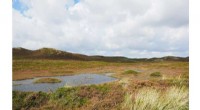
The Euphrates River, one of the world’s most historic waterways, once irrigated the fertile crescent that birthed Mesopotamian and Sumerian societies. Today, it is a focal point of environmental crisis.
The system comprises two major rivers that flow from the Taurus Mountains in eastern Turkey southward to the Persian Gulf. The Tigris originates in the Taurus, skirts the Turkish‑Syrian border, and joins the Euphrates near al‑Qurnah, creating the Shatt al‑Arab estuary.
Both rivers begin in the Taurus range and are fed by numerous tributaries. Their combined flow has historically maintained an average of roughly 500 m³/s (about 18,000 ft³/s) as they traverse the Middle East.
Modern infrastructure—such as the Atatürk Dam, the Alouk Water Station, and upstream reservoirs—controls the river’s discharge. These structures aim to sustain irrigation, hydroelectric power, and domestic water supplies, yet they also concentrate the impact of climate change and upstream withdrawals.
Along its banks, the Euphrates supports some of the region’s most productive farmland. However, pollution, war‑related damage, and unsustainable water use have increased salinity and contamination, eroding the basin’s ecological health.
Archaeologists and historians refer to the basin as the “cradle of civilization” because its reliable water supply enabled early agrarian societies to thrive. These societies produced the first writing systems, legal codes, and architectural feats that shaped human history.
Temperatures in northern Syria have risen by approximately 1 °C over the past century, while rainfall has declined. This trend has reduced lake levels—most notably Lake Assad—and threatens the operation of downstream hydroelectric facilities. A shrinking river also jeopardizes the livelihoods of an estimated 7.2 million refugees displaced by conflict, who depend on the Euphrates for drinking water, agriculture, and sanitation.
Without coordinated international action, the river’s diminishing flow could undermine both regional stability and fundamental human rights. Addressing this crisis requires integrated water management, climate adaptation strategies, and robust protection of the basin’s ecological integrity.
In sum, the Euphrates River remains a vital artery of life and culture, but its future hinges on how effectively the global community confronts the intertwined challenges of climate change and resource stewardship.