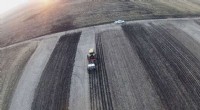
Aerial view of turquoise-colored pools at Silver Peak lithium mine, Nevada. simonkr / Getty Images
With the global push toward clean energy, lithium—often called “white gold”—has become indispensable for powering electric vehicles, renewable energy storage, and advanced electronics. The rapid expansion of lithium extraction, exemplified by the Silver Peak mine in Nevada, has sparked new discussions about environmental stewardship and community well‑being.
Lithium is the lightest solid element and a highly reactive alkali metal. Its unique properties make it ideal for rechargeable batteries found in mobile phones, laptops, electric vehicles, and other electronics. Beyond technology, lithium salts such as lithium carbonate are used as mood stabilizers in psychiatric care.
Lithium is obtained primarily from two sources: spodumene (a hard‑rock mineral) and brine (a salty, lithium‑rich solution). The extraction process follows several stages:
Geological surveys and sample testing identify viable deposits. For spodumene, drilling and core sampling determine ore quality; for brine, surface sampling gauges lithium concentration.
Spodumene is mined, crushed, roasted, and leached to release lithium. Brine is pumped to evaporation ponds where natural solar heat concentrates the salts. Both methods involve significant water use and energy inputs.
Spodumene undergoes high‑temperature treatment and acid leaching to produce lithium carbonate or hydroxide. Brine concentrate is chemically treated to isolate lithium compounds. The resulting materials feed into battery‑grade lithium carbonate and lithium hydroxide.
Further purification ensures the lithium meets stringent battery standards. Mining companies must adhere to environmental regulations, managing water use, emissions, and land rehabilitation to mitigate ecological impacts.
Lithium‑ion batteries offer high energy density and lightweight performance, enabling electric vehicles to travel longer ranges and supporting renewable energy storage. A 2019 study projected global lithium demand to grow ~28% annually through 2030, driven by EV expansion and grid‑storage needs. Lithium also fuels industrial applications such as electric forklifts and mining equipment, reducing operational costs and carbon footprints.
The “Lithium Triangle” in South America—Argentina, Chile, and Bolivia—houses vast brine deposits and is a major global supplier. Jobs in mining, processing, and related services bolster local economies and provide critical employment.
Chile’s Salar de Atacama hosts one of the world’s richest lithium brine deposits, yielding lithium chloride for high‑grade lithium carbonate production. Argentina’s Olaroz plant also delivers premium lithium carbonate, reinforcing the region’s market position.
Australia hosts the world’s largest hard‑rock lithium mine at Greenbushes, Western Australia, producing high‑grade spodumene. The Mount Marion project and the Pilgangoora lithium‑tantalum site further diversify Australia’s lithium supply chain.
China’s lithium extraction—particularly from the Zhabuye Salt Lake in Tibet—remains central to the global supply. State‑backed investments in lithium processing and technology solidify China’s role in producing advanced batteries.
Canada’s Whabouchi lithium project in Quebec ranks among the continent’s largest spodumene deposits, poised to strengthen North America’s lithium supply. The U.S. Silver Peak mine in Nevada remains the only operational lithium mine in the country, extracting brine via open‑pit methods. Federal support, including a $2.26 billion DOE loan, underpins the expansion of domestic lithium production.
The Thacker Pass lithium deposit in northern Nevada, one of the nation’s largest reserves, faces legal opposition. In 2023, environmental groups and Indigenous tribes—Reno‑Sparks Indian Colony, Burns Paiute Tribe, and Red Mountain People—filed a lawsuit alleging the Bureau of Land Management failed to conduct a comprehensive environmental impact assessment. Concerns focus on wildlife habitat disruption, water contamination, and the preservation of sacred lands.
The dispute underscores the tension between resource development and environmental/Indigenous rights. Despite the legal hurdles, construction is slated to begin in late 2024, with the project expected to create 1,800 construction jobs and 500 operational roles.
Brine extraction consumes large volumes of water, potentially stressing local aquifers and affecting agriculture and drinking supplies. Hard‑rock mining, such as at Greenbushes, can lead to deforestation, soil erosion, and habitat loss. Chemical use—particularly sulfuric acid—poses risks of soil and water contamination if not managed responsibly.
Extraction and refining are energy‑intensive, often reliant on fossil fuels, contributing to greenhouse gas emissions. Innovations in battery recycling and cleaner extraction technologies aim to reduce these impacts, but balancing rising lithium demand with environmental protection remains a critical challenge.
Our article was created with AI assistance and rigorously fact‑checked and edited by a HowStuffWorks editor.