Covering over 5 million square kilometres from Hungary in the west to Mongolia and northern China in the east, the Eurasian Steppe is one of Earth’s largest grassland biomes.
It stretches across a belt that cuts through Eastern Europe, the Russian steppe, and the eastern steppe of China, lying just south of the taiga forest zone and north of true deserts such as the Gobi.
The steppe is traditionally divided into three main zones—western, central, and eastern—each of which has played a pivotal role in shaping regional climates and human history.
Photo: A group of Kazakh eagle hunters ride horses along the Bayan‑Olgii River in West Mongolia. Credit: Edwin Tan / Getty Images
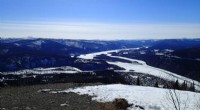
Photo: Steppes are simply stunning. Credit: Elena Liseykina / Getty Images
The landscape is characterised by flat, treeless plains dominated by hardy grasses, interspersed with occasional riverine and mountain woodlands. Most of the steppe lies in temperate latitudes, where it sits in a rain shadow that brings low precipitation, harsh winters, and hot, dry summers.
North‑bound mountain ranges such as the Ural and the highlands of Central Asia form a natural border, while the Altai and Tian Shan ranges bound the steppe to the south and east. Major bodies of water—including the Caspian Sea and numerous rivers—create freshwater wetlands and sporadic oases that punctuate the otherwise arid expanse.
Despite its dry climate, the steppe supports a surprising array of plant life. Grasses, shrubs, and seasonal wildflowers create a mosaic that provides habitat for a variety of animals. Key fauna include the steppe horse, the Eurasian wolf, and a rich diversity of bird species.
Conservation programmes aim to safeguard these habitats from pressures such as agricultural expansion, climate change, and urban development. While large tracts of steppe remain intact, habitat loss continues to threaten the ecological balance that once supported vast herds of grazing animals.
Historically, the steppe was the cradle of nomadic cultures—most notably the Mongols—who harnessed its wide open spaces for travel, trade, and warfare. The Silk Road, a critical artery of east‑west commerce, traversed these grasslands, enabling the rapid spread of cultures, technologies, and languages across Eurasia.
Steppe societies centred on horseback riding, herding, and mastering the seasonal rhythms of the land. Their mobility and adaptability allowed them to influence empires across the continent and to leave a lasting imprint on Eurasian history.
Today, the steppe’s footprint has shifted. In Russia, Mongolia, northern China, and Central Asia, former nomadic territories now host expanding cities and dense populations clustered near water sources. Large‑scale conversion of pastureland to agriculture has reduced grazing space and altered the livelihoods of both humans and wildlife.
Climate change poses an additional threat: irregular rainfall patterns and rising temperatures risk turning portions of the steppe into desert. In places like Siberia, oases and northern wetlands remain critical refuges for biodiversity.
Like North America’s Great Plains or South America’s pampas, the Eurasian Steppe is a global grassland ecosystem. Yet its sheer scale, unique climate, and profound historical impact set it apart. Unlike true deserts, steppes can sustain grasses and, in wetter areas, even small forest patches.
Looking ahead, preserving the steppe requires a balanced approach that marries conservation with sustainable development. Adjacent ecosystems—southern deserts and northern taiga—are equally vital, as the steppe’s health influences broader regional biodiversity.
This article was created with AI technology and subsequently fact‑checked and edited by a HowStuffWorks editor.