* Climate and vegetation: Temperate woodlands and shrublands often experience periods of drought and have vegetation that is well-adapted to fire. This vegetation, like grasses, shrubs, and some trees, can regenerate quickly after a fire.
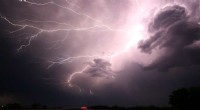
* Natural ignition: Lightning strikes are a common natural cause of wildfires in these ecosystems, and they have historically played a role in shaping the landscape.
* Ecological benefits: Fire is not always destructive. In fact, it can be beneficial for these ecosystems by:
* Clearing out dead undergrowth: Fire removes fuel buildup, preventing large, more destructive wildfires.
* Releasing nutrients: Burning vegetation releases nutrients back into the soil, making them available for new growth.
* Promoting diversity: Some species rely on fire for germination or seed dispersal, maintaining biodiversity.
Important to note: While fire is a natural part of these ecosystems, human activities such as development and land management practices can significantly alter fire regimes. This can lead to more frequent and severe wildfires, impacting the balance of these ecosystems.
Therefore, fire is not a constant, but a recurring and vital process in temperate woodlands and shrublands. Understanding its natural role is crucial for sustainable land management practices.