1. Abiotic Factors:
* Water: The ocean's vast expanse of salt water, with unique properties like salinity, temperature, currents, and light penetration.
* Sunlight: Provides energy for photosynthesis and drives the food chain.
* Nutrients: Essential compounds like nitrates, phosphates, and silicates that support plant growth.
* Temperature: Varies with depth, latitude, and season, influencing species distribution and metabolism.
* Salinity: The salt concentration of the water, which can vary significantly.
* Pressure: Increases with depth, affecting marine life's ability to survive.
2. Biotic Factors:
* Producers: Phytoplankton, algae, and some bacteria that convert sunlight into energy.
* Consumers: Organisms that feed on other organisms, including zooplankton, fish, whales, and seabirds.
* Decomposers: Bacteria and fungi that break down dead organisms and waste, releasing nutrients back into the ecosystem.
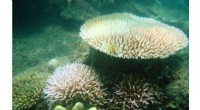
* Coral reefs: Complex ecosystems with high biodiversity, providing shelter and food for countless species.
* Mangrove forests: Salt-tolerant trees that provide nurseries for fish and other marine life.
* Seagrass meadows: Submerged flowering plants that stabilize sediments and provide habitats for many species.
* Open ocean: The vast expanse of the ocean, supporting diverse pelagic life.
Importance of Marine Ecosystems:
* Food security: Provide a significant source of food for humans and other animals.
* Climate regulation: Absorb and store large amounts of carbon dioxide, mitigating climate change.
* Biodiversity: Home to a vast array of species, contributing to the planet's overall biodiversity.
* Economic value: Support industries like fishing, tourism, and pharmaceuticals.
* Medicinal resources: Source of potential new drugs and treatments.
Threats to Marine Ecosystems:
* Pollution: Chemicals, plastics, and sewage threaten marine life and habitats.
* Climate change: Ocean acidification, warming waters, and rising sea levels disrupt marine ecosystems.
* Overfishing: Depletion of fish stocks can disrupt food webs and cause ecological imbalances.
* Habitat destruction: Coastal development, dredging, and oil spills destroy vital habitats.
Understanding and protecting marine ecosystems is crucial for the health of our planet and the well-being of all life.