Here's a breakdown:
Abiotic Factors (Non-living):
* Climate: Temperature, humidity, rainfall, sunlight, wind patterns
* Soil: pH, nutrient content, texture
* Water: Availability, salinity, pH
* Topography: Altitude, slope, aspect
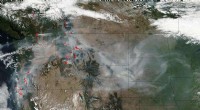
* Natural disasters: Fires, floods, volcanic eruptions
Biotic Factors (Living):
* Competition: Between organisms for resources like food, space, or mates
* Predation: One organism consuming another
* Parasitism: One organism living in or on another and benefiting at its expense
* Mutualism: Two organisms benefitting from their relationship
* Commensalism: One organism benefits while the other is unaffected
* Disease: The presence of pathogens that can affect the health of organisms
How Ecological Factors Influence Organisms:
* Distribution: Factors like climate and soil type determine where organisms can thrive.
* Abundance: Factors like competition and food availability influence the population size of a species.
* Survival: Factors like predation and disease can impact an organism's chances of living to reproduce.
Examples:
* Sunlight: Plants require sunlight for photosynthesis, so their distribution is limited to areas with sufficient sunlight.
* Predation: The presence of predators can influence prey species distribution and abundance.
* Soil pH: Some plants thrive in acidic soils, while others require alkaline soils.
Understanding ecological factors is crucial for:
* Conservation efforts: Identifying the factors that affect endangered species.
* Management of ecosystems: Understanding how human activities impact ecosystems.
* Predicting the impact of climate change: Understanding how changing environmental conditions will affect organisms.
By studying ecological factors, we can gain a better understanding of how ecosystems function and how to protect the biodiversity of our planet.