1. Habitat Loss and Fragmentation:
* Land-use Change: Conversion of natural areas for agriculture, urban development, mining, and forestry.
* Deforestation: Clearing forests for timber, agriculture, and urban expansion.
* Habitat Fragmentation: Breaking up large, contiguous habitats into smaller, isolated patches, which can lead to reduced populations and increased extinction risk.
2. Climate Change:
* Temperature Changes: Shifting temperatures can alter species ranges, disrupt breeding cycles, and impact food availability.
* Extreme Weather Events: More frequent and intense droughts, floods, and storms can damage habitats and displace species.
* Sea Level Rise: Coastal habitats are being lost to rising sea levels, impacting marine ecosystems and coastal communities.
3. Pollution:
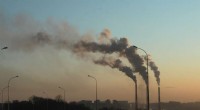
* Air Pollution: Affects plant growth, animal health, and ecosystem processes.
* Water Pollution: Impacts aquatic life, contaminates drinking water, and disrupts food webs.
* Noise Pollution: Can interfere with animal communication, navigation, and breeding.
* Light Pollution: Disrupts nocturnal animals' behavior and navigation.
4. Invasive Species:
* Introduction: Non-native species can outcompete native species for resources, disrupt food webs, and introduce diseases.
* Spread: Invasive species can spread quickly and have devastating impacts on ecosystems.
5. Overexploitation:
* Overfishing: Harvesting fish faster than they can reproduce, leading to declines in fish populations and ecosystem disruption.
* Overhunting: Uncontrolled hunting or poaching can push species towards extinction.
* Overharvesting of Plants: Removing plants at unsustainable rates can deplete resources and damage ecosystems.
6. Other Factors:
* Disease Outbreaks: Can decimate populations of vulnerable species.
* Natural Disasters: Wildfires, earthquakes, and volcanic eruptions can have severe impacts on habitats.
* Lack of Funding: Inadequate funding for conservation efforts can hinder efforts to protect and restore threatened habitats.
It's crucial to understand that these threats are interconnected and often exacerbate each other. Addressing habitat loss and protecting endangered species requires a multifaceted approach that considers the complex interactions between human activities and the natural world.