Here's a breakdown:
Characteristics of an unsustainable ecosystem:
* Depletion of resources: Essential resources like water, soil, and nutrients are being used up faster than they can be replenished. This can lead to soil erosion, desertification, and water scarcity.
* Loss of biodiversity: The variety of life within the ecosystem is declining, resulting in reduced resilience and increased vulnerability to disturbances.
* Pollution: Harmful substances are accumulating in the environment, impacting the health of organisms and disrupting natural processes.
* Climate change: Changes in temperature, precipitation, and extreme weather events are pushing ecosystems beyond their adaptive capacity, leading to disruptions in their functioning.
* Overexploitation: The overuse of natural resources, such as overfishing or excessive logging, can deplete populations and degrade habitats.
* Lack of resilience: The ecosystem's ability to recover from disturbances, like droughts or floods, is diminished due to the factors above.
Consequences of an unsustainable ecosystem:
* Loss of ecosystem services: The benefits humans derive from ecosystems, such as clean air and water, food production, and climate regulation, are compromised.
* Threat to human well-being: The loss of ecosystem services can negatively impact human health, livelihoods, and overall quality of life.
* Increased vulnerability to disasters: Unsustainable ecosystems are more susceptible to natural disasters, leading to greater economic and social costs.
Examples of unsustainable ecosystems:
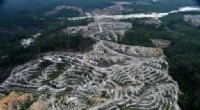
* Deforestation: Clear-cutting forests for timber or agriculture can lead to soil erosion, loss of biodiversity, and climate change.
* Overfishing: Removing fish from the ocean faster than they can reproduce can deplete fish populations and disrupt marine ecosystems.
* Pollution from industrial agriculture: Excessive fertilizer and pesticide use can contaminate water sources and harm wildlife.
* Urban sprawl: Expansion of urban areas can fragment habitats, destroy wildlife corridors, and increase pollution.
Moving towards sustainability:
To address the issue of unsustainable ecosystems, it's crucial to adopt practices that promote ecosystem restoration, conservation, and responsible resource management. This includes:
* Sustainable agriculture: Practices that minimize environmental impact, such as crop rotation, organic farming, and agroforestry.
* Renewable energy sources: Replacing fossil fuels with solar, wind, and other renewable sources to reduce greenhouse gas emissions.
* Protecting biodiversity: Establishing protected areas, promoting sustainable tourism, and tackling habitat loss.
* Reducing pollution: Implementing stricter regulations and adopting cleaner production methods to reduce pollution from industries and agriculture.
* Investing in ecological restoration: Restoring degraded ecosystems can enhance biodiversity, improve ecosystem services, and build resilience.
By taking action to address the drivers of unsustainability, we can work towards restoring the health and resilience of our ecosystems and ensure a more sustainable future for both humans and the natural world.