Structural Adaptations:
* Roots: Trees have extensive root systems that anchor them firmly to the ground, enabling them to withstand strong winds and support their considerable weight. Roots also absorb water and nutrients from the soil.
* Trunk: The strong, woody trunk provides structural support, allowing the tree to grow tall and reach sunlight.
* Branches and Leaves: Branches are designed to distribute the weight of the leaves and maximize exposure to sunlight for photosynthesis. Leaves are thin and broad, providing a large surface area for absorbing sunlight.
* Bark: The outer layer of the trunk, known as bark, protects the tree from pests, diseases, and environmental damage. It also helps regulate water loss.
Physiological Adaptations:
* Photosynthesis: Trees are highly efficient at converting sunlight into energy through photosynthesis. This process takes place primarily in the leaves, where chlorophyll absorbs light energy.
* Water Transport: Trees have a specialized vascular system that efficiently transports water and nutrients from the roots to the leaves. This system includes xylem (for water transport) and phloem (for nutrient transport).
* Transpiration: Trees lose water through transpiration, which occurs when water vapor evaporates from the leaves. Transpiration helps regulate the tree's temperature and creates suction that draws water from the roots.
* Seed Dispersal: Trees have evolved various mechanisms for dispersing their seeds, allowing them to colonize new areas. These mechanisms include wind dispersal, animal dispersal, and water dispersal.
Adaptations to Specific Environments:
* Drought Tolerance: Some trees have adapted to survive in arid environments by developing deep roots to access groundwater, reducing leaf surface area to minimize water loss, and storing water in their tissues.
* Cold Tolerance: Trees in cold climates have adapted to survive freezing temperatures by developing antifreeze compounds in their cells, shedding leaves in winter, and having thicker bark for insulation.
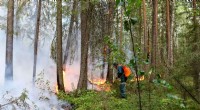
* Fire Tolerance: Some trees have adapted to fire-prone environments by developing thick bark that protects them from flames and by producing seeds that germinate after a fire.
Overall, trees are remarkably well-adapted to terrestrial life, demonstrating an impressive array of structural and physiological features that enable them to survive and thrive in a wide range of environments.