Here's a breakdown:
Biotic Factors:
* All living organisms: Plants, animals, fungi, bacteria, and microorganisms.
* Interactions between these organisms: Competition for resources, predator-prey relationships, symbiosis, etc.
Abiotic Factors:
* Non-living components: Sunlight, temperature, water, air, soil, rocks, nutrients, and minerals.
* Physical conditions: Climate, topography, and weather patterns.
How they work together:
* Energy flow: Energy from the sun is captured by plants (producers) and passed along to other organisms (consumers) through food webs.
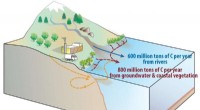
* Nutrient cycling: Elements like carbon, nitrogen, and phosphorus are recycled within the ecosystem.
* Interdependence: All components of an ecosystem rely on each other for survival.
Examples of Ecosystems:
* Forests: Trees, animals, insects, fungi, soil, sunlight, water
* Oceans: Marine life, water, salinity, temperature, sunlight
* Grasslands: Grasses, herbivores, predators, soil, rainfall
* Deserts: Cacti, reptiles, insects, sand, extreme temperatures
* Lakes and ponds: Fish, amphibians, plants, water, nutrients
Key Concepts:
* Biodiversity: The variety of life within an ecosystem.
* Stability: The ability of an ecosystem to resist change and maintain its balance.
* Resilience: The ability of an ecosystem to recover from disturbance.
Understanding ecosystems is crucial for:
* Conservation: Protecting biodiversity and natural resources.
* Sustainability: Managing resources responsibly for future generations.
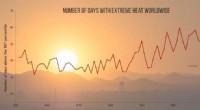
* Climate change mitigation: Ecosystems play a vital role in regulating the climate.