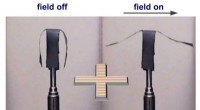
1. Light Detection: Plants contain a special pigment called auxin, which is sensitive to blue light. When light shines on one side of a plant, the auxin molecules on that side become less concentrated.
2. Auxin Movement: The auxin then moves to the shaded side of the stem, where it accumulates.
3. Cell Growth Stimulation: Auxin promotes cell elongation, making the cells on the shaded side of the stem grow longer than the cells on the illuminated side.
4. Bending Towards the Light: This unequal growth causes the stem to bend towards the light source.
Why is this important?
* Sunlight is essential for photosynthesis: Plants need sunlight to convert carbon dioxide and water into food (sugars) and oxygen through photosynthesis.
* Maximizing light absorption: By bending towards the light, plants can position their leaves to absorb the maximum amount of sunlight, ensuring they have enough energy for growth and survival.
In simpler terms:
Think of it like a plant reaching out its arm to grab the sun! The plant "feels" the light, and it grows in the direction of the light so it can get the most sunlight possible for photosynthesis.