* Limited soil: Cliffs often have thin, rocky soil that's poor in nutrients.
* Strong winds: Exposed cliffs experience strong winds that can damage plants.
* Limited water: Rainwater can quickly drain away from the rocky slopes.
* Extreme temperatures: Cliffs can experience both hot and cold temperatures.
Here are some types of plants that are commonly found on cliffs:
1. Succulents: These plants store water in their leaves or stems, helping them survive drought conditions. Examples include:
* Sedums: These low-growing plants have fleshy leaves and vibrant flowers.
* Cacti: While not always found on cliffs, cacti are well-adapted to dry environments.
2. Grasses: Many grasses have deep root systems that can anchor them to the cliff face and reach water sources. Examples include:
* Fescue: A hardy, low-growing grass often found on coastal cliffs.
* Wild Oats: A taller grass with large seed heads.
3. Ferns: Some ferns are able to thrive in the shade of cliffs and on damp, mossy areas. Examples include:
* Polypodium: A common cliff-dwelling fern with leathery fronds.
* Asplenium: These ferns often grow in crevices where they can retain moisture.
4. Lichens: Lichens are composite organisms that consist of algae and fungi living together. They can grow on bare rock, breaking it down and creating soil for other plants.
5. Mosses: Mosses can also grow on bare rock and help retain moisture. They often carpet the surface of cliffs, providing a habitat for small insects.
6. Alpine wildflowers: In mountainous regions, cliffs can be home to a variety of colorful wildflowers, including:
* Edelweiss: A white, fuzzy flower that is a symbol of the Alps.
* Rock Jasmine: A fragrant, trailing flower that grows on cliffs and rocky outcrops.
7. Trees: In some areas, cliffs can support small trees that have adapted to withstand strong winds and limited soil. Examples include:
* Juniper: A coniferous tree with prickly needles and berry-like cones.
* Pine: Some pine species can grow on cliffs, especially in mountainous regions.
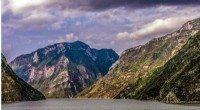
The specific plants found on a cliff will depend on its location, climate, and the composition of the rock. However, these are some of the most common types of plants that thrive in this challenging environment.