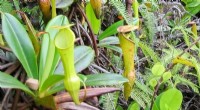
Tropical climates are characterized by high temperatures, abundant rainfall, and high humidity. This environment presents unique challenges and opportunities for plants and animals, leading to a wide array of fascinating structural adaptations.
Plants:
* Large, broad leaves: Tropical plants often have large, broad leaves to maximize their surface area for absorbing sunlight and performing photosynthesis.
* Shallow root systems: Since rainfall is abundant, tropical plants don't need deep roots to access water. Instead, they develop shallow root systems that spread widely to absorb nutrients from the top soil layer.
* Buttress roots: Many trees in tropical rainforests develop large, shallow, outward-spreading roots called buttress roots for support, especially in areas with shallow soil.
* Drip tips: Leaves of many tropical plants have elongated, pointed tips (drip tips) to facilitate water run-off and prevent fungal growth.
* Epiphytes: Many tropical plants, like orchids and ferns, grow on other plants (like trees) for support, accessing sunlight and nutrients from the air and rainwater.
* Vines and lianas: Tropical forests are home to many climbing plants (vines and lianas) that use other trees for support to reach sunlight in the dense canopy.
Animals:
* Light coloration: Many tropical animals have light coloration, reflecting sunlight and reducing heat absorption.
* Large surface area: Some animals, like elephants, have large ears that help them regulate body temperature by radiating heat.
* Thin fur or feathers: Animals in tropical rainforests have minimal fur or feathers to minimize heat build-up.
* Nocturnal activity: Many animals are active at night when temperatures are cooler, avoiding the hottest hours of the day.
* Adaptable diets: Animals in tropical climates often have diverse diets, readily adapting to consume a variety of fruits, insects, and other available food sources.
* Specialized appendages: Some animals, like monkeys, have prehensile tails for grasping branches and navigating the dense rainforest canopy.
Examples:
* Tropical rainforest plants: Rubber tree (large leaves, buttress roots), Orchids (epiphytes), Banana tree (large leaves, shallow roots), Mango tree (drip tips)
* Tropical rainforest animals: Toucan (bright coloration, large beak), Sloth (slow metabolism, camouflage), Spider monkey (prehensile tail), Jaguar (spotted coat for camouflage)
Overall, the structural adaptations of plants and animals in a tropical climate demonstrate the remarkable ability of living organisms to evolve and thrive in diverse environments. These adaptations allow them to survive and flourish in the challenging yet rich and diverse ecosystem of tropical regions.