1. Habitat Loss and Fragmentation:
* Deforestation: Clearing forests for agriculture, logging, or development removes vital habitats for countless species, disrupting food webs and reducing biodiversity.
* Urbanization: Expanding cities and infrastructure fragment habitats, isolating populations and hindering their ability to adapt and thrive.
2. Pollution:
* Air Pollution: Industrial emissions, vehicle exhaust, and burning fossil fuels release harmful pollutants into the atmosphere, impacting air quality and causing acid rain, which damages ecosystems.
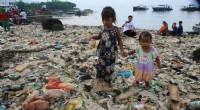
* Water Pollution: Runoff from agricultural fields, industrial discharge, and sewage overflows contaminate rivers, lakes, and oceans, harming aquatic life and disrupting water cycles.
* Plastic Pollution: The accumulation of plastic waste in oceans and landfills creates a toxic threat to marine life and ecosystems.
3. Climate Change:
* Temperature Extremes: Rising global temperatures disrupt seasonal cycles, leading to heatwaves, droughts, and more frequent wildfires, negatively impacting plant and animal life.
* Sea Level Rise: Coastal ecosystems are threatened by rising sea levels, causing erosion, inundation, and saltwater intrusion, displacing species and altering habitats.
* Ocean Acidification: Increased carbon dioxide absorption by oceans leads to a decrease in pH, making it difficult for marine organisms, particularly shellfish, to build their shells and survive.
4. Invasive Species:
* Introduced Species: Non-native organisms can outcompete native species for resources, disrupt food webs, and spread diseases, leading to ecological imbalances.
* Biological Control: Intentional introductions of species to control pests can sometimes backfire, with unforeseen consequences for the ecosystem.
5. Overexploitation:
* Overfishing: Excessively harvesting fish populations can deplete stocks, disrupting marine ecosystems and affecting food security.
* Overhunting: Excessive hunting or poaching of animals can lead to population declines, disrupting food webs and endangering vulnerable species.
6. Disease Outbreaks:
* Emerging Diseases: Disease outbreaks, often facilitated by human activities, can decimate populations, altering ecosystem dynamics and threatening biodiversity.
* Disease Transmission: Habitat fragmentation and climate change can increase the likelihood of disease transmission between species, leading to cascading effects within ecosystems.
7. Natural Disasters:
* Wildfires: While natural wildfires are a part of some ecosystems, extreme fire events fueled by climate change can devastate landscapes and disrupt ecological processes.
* Floods: Heavy rains and storms can cause widespread flooding, disrupting ecosystems, displacing species, and altering water cycles.
8. Human Activities:
* Agricultural Practices: Intensive agriculture, including monoculture and the use of pesticides, can degrade soil health, deplete water resources, and reduce biodiversity.
* Mining and Resource Extraction: Extracting minerals, fossil fuels, and other resources can destroy habitats, pollute water sources, and disrupt ecosystem processes.
Consequences of Ecosystem Imbalance:
* Loss of Biodiversity: Species extinctions, reduced populations, and disrupted food webs.
* Decreased Ecosystem Services: Impacts on clean water, air, pollination, and climate regulation.
* Economic Consequences: Loss of natural resources, decreased agricultural yields, and increased health risks.
* Social Impacts: Displacement of communities, food insecurity, and potential conflict over resources.
Restoring Balance:
* Conservation Efforts: Protecting remaining habitats, restoring degraded ecosystems, and managing invasive species.
* Sustainable Practices: Reducing pollution, promoting responsible consumption, and adopting sustainable agriculture and fishing practices.
* Climate Change Mitigation: Reducing greenhouse gas emissions and transitioning to renewable energy sources.
* Collaboration and Awareness: Working together to address the interconnected nature of environmental challenges and promoting public education.
Ecosystems are resilient, but their capacity for self-regulation has limits. By understanding the factors that disrupt balance and taking action to mitigate these threats, we can help preserve the health and integrity of our planet's ecosystems for future generations.