Here's a breakdown of what makes up a land-based ecosystem:
Biotic Components (living organisms):
* Producers: Plants, algae, and other photosynthetic organisms that convert sunlight into energy.
* Consumers: Animals that obtain energy by eating other organisms.
* Decomposers: Fungi and bacteria that break down dead organic matter, releasing nutrients back into the ecosystem.
Abiotic Components (non-living factors):
* Climate: Temperature, humidity, rainfall, and wind patterns.
* Soil: Composition, texture, and nutrients.
* Sunlight: The amount of sunlight reaching the ecosystem.
* Water: Availability and quality of water.
* Topography: The shape and elevation of the land.
Examples of Land-Based Ecosystems:
* Forests: Diverse communities of trees, shrubs, and animals.
* Grasslands: Dominated by grasses and other herbaceous plants.
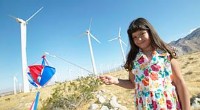
* Deserts: Arid regions with low rainfall and sparse vegetation.
* Tundra: Cold, treeless regions with permafrost.
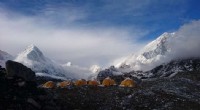
* Mountains: High-elevation ecosystems with varying vegetation depending on altitude.
Key Features of Land-Based Ecosystems:
* Interaction: The living and non-living components are interconnected, influencing each other.
* Energy flow: Energy flows through the ecosystem from producers to consumers to decomposers.
* Nutrient cycling: Nutrients are constantly recycled within the ecosystem.
* Adaptation: Organisms are adapted to the specific conditions of their ecosystem.
* Biodiversity: The variety of life within an ecosystem.
Threats to Land-Based Ecosystems:
* Habitat loss: Destruction of natural habitats due to human activities.
* Climate change: Shifting temperature and rainfall patterns.
* Pollution: Contamination of air, water, and soil.
* Invasive species: Introduction of non-native species that can disrupt ecosystems.
Understanding land-based ecosystems is crucial for conserving biodiversity, managing natural resources, and ensuring a healthy environment for all living things.