1. Photosynthesis:
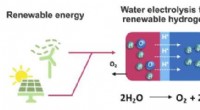
* Trees absorb carbon dioxide (CO2) from the atmosphere during photosynthesis.
* They use sunlight, water, and CO2 to create their own food (sugars) and release oxygen as a byproduct.
* This process locks carbon into the tree's structure (wood, leaves, roots).
2. Carbon Storage:
* Trees store carbon for their entire lifespan, from years to centuries.
* The amount of carbon stored varies depending on tree size, species, and age.
* This storage of carbon removes it from the atmosphere, mitigating climate change.
3. Carbon Release:
* Trees eventually release carbon back into the atmosphere through respiration (breathing), decomposition, and burning.
* Respiration happens continuously, releasing a small amount of CO2.
* Decomposition of fallen leaves and dead wood releases carbon gradually over time.
* Burning trees releases large amounts of CO2 rapidly.
4. Long-term Carbon Storage:
* When trees die and are not burned or decomposed, carbon remains locked in the wood for a long time.
* This long-term storage is vital for mitigating climate change.
In summary, trees are essential for the carbon cycle because:
* They remove CO2 from the atmosphere during photosynthesis.
* They store carbon in their structure for extended periods.
* They release carbon back into the atmosphere through natural processes.
By planting and preserving forests, we can increase carbon storage and help combat climate change.