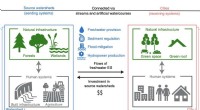
1. Interconnectedness: Ecosystems are complex webs of life where species rely on each other for survival. Protecting a single species without considering its habitat and the other species it interacts with can be ineffective and even harmful. For instance, protecting a specific bird species might fail if its food sources or nesting sites are destroyed due to habitat loss.
2. Holistic Approach: Protecting ecosystems ensures the preservation of a wider range of biodiversity, including species that may not be immediately recognized as valuable. This approach promotes ecological resilience and the long-term health of the planet.
3. Ecosystem Services: Ecosystems provide essential services to humans, such as clean air and water, pollination, climate regulation, and flood control. By protecting entire ecosystems, we safeguard these services for future generations.
4. Cost-Effectiveness: Protecting an entire ecosystem is often more cost-effective than focusing on individual species. It eliminates the need for extensive monitoring and management of individual species, allowing resources to be used more efficiently.
5. Changing Environmental Threats: With global climate change and other environmental threats, protecting ecosystems is becoming increasingly crucial. Ecosystems provide buffer zones against environmental change, helping to mitigate the negative impacts on biodiversity.
6. Ethical Considerations: Protecting ecosystems recognizes the intrinsic value of all life forms and the interconnectedness of all living things. This approach emphasizes the importance of preserving the natural world for its own sake, not just for its benefits to humans.
Examples of Ecosystem-based Conservation:
* Marine Protected Areas (MPAs): These areas restrict human activities to protect marine habitats and the species they support.
* National Parks and Wilderness Areas: These areas protect large tracts of land, allowing natural processes to occur and providing habitat for a wide range of species.
* Forest Conservation: Protecting forests helps to maintain biodiversity, regulate climate, and prevent soil erosion.
While focusing on specific species remains important, the shift towards ecosystem-based conservation represents a more comprehensive and sustainable approach to safeguarding biodiversity and ensuring the well-being of the planet. It recognizes the interconnectedness of life and the importance of preserving natural processes and services for the benefit of current and future generations.