Physical Components:
* Sunlight: The primary source of energy for the ecosystem, driving photosynthesis.
* Water: Essential for plant growth and animal survival, also influencing soil composition and nutrient flow.
* Air: Provides oxygen for respiration and carbon dioxide for photosynthesis.
* Temperature: Influences plant growth, animal activity, and decomposition rates.
* Soil: Provides nutrients, water retention, and support for plants. Soil composition varies greatly within a forest, depending on factors like underlying bedrock, organic matter content, and drainage.
* Topography: The shape of the land (hills, valleys, slopes) affects sunlight exposure, water flow, and microclimates.
Chemical Components:
* Nutrients: Essential elements like nitrogen, phosphorus, potassium, and calcium, found in soil, water, and air.
* pH: The acidity or alkalinity of the soil and water, influencing nutrient availability and plant growth.
* Salinity: The amount of dissolved salts in water, which can affect plant and animal life.
Other Abiotic Factors:
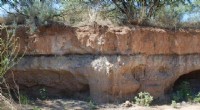
* Rocks: Can be part of the landscape and influence soil formation.
* Dead organic matter: Includes fallen leaves, branches, and decaying organisms, which contribute to soil fertility.
* Wind: Can influence the distribution of seeds, pollen, and temperature patterns.
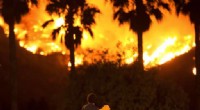
* Fire: Natural or human-caused, fire can be a significant factor in shaping forest ecosystems.
It's important to note that the balance and interaction of these abiotic factors play a crucial role in shaping the living components (biotic factors) within the forest, creating a complex and interconnected web of life.