1. High Levels of Sunlight and Precipitation:
* Abundant Sunlight: The tropics receive ample sunlight year-round, providing the energy base for a vast and complex food web. This consistent energy input fuels high rates of photosynthesis, supporting a massive amount of plant life.
* Consistent Rainfall: Tropical rainforests experience heavy rainfall throughout the year, providing the water necessary for lush vegetation and supporting diverse animal life.
2. Stable Climate:
* Consistent Temperatures: Tropical rainforests experience relatively stable temperatures year-round, free from extreme fluctuations. This predictability allows organisms to adapt to a specific set of conditions, minimizing the need for seasonal adaptations.
3. Ancient and Continuous Ecosystem:
* Evolutionary Time: Tropical rainforests have existed for millions of years, providing a long evolutionary history for species to diversify and specialize. This long-term stability has allowed for intricate relationships to develop between organisms.
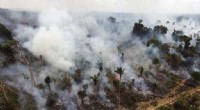
* Lack of Major Disturbances: Unlike other biomes, tropical rainforests experience fewer major disturbances like fires or glaciations. This stability allows for the development of complex ecosystems with a wide variety of niches.
4. Abundant Resources:
* Nutrient-Rich Soil: Although the soil in rainforests can be poor in some nutrients, the constant decomposition and recycling of organic matter provides a steady supply of resources.
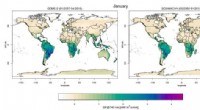
* Rich Biodiversity: The sheer abundance of species creates a complex web of interactions, with each organism relying on others for food, shelter, and pollination. This interdependence fuels further diversification.
5. Vertical Stratification:
* Multiple Layers: Tropical rainforests exhibit a distinct vertical structure, with different layers providing unique micro-environments. This creates a diverse range of habitats, supporting specialized organisms adapted to specific levels.
6. High Productivity:
* Fast Growth: The warm temperatures and ample sunlight allow for rapid plant growth and high rates of photosynthesis, leading to high primary productivity. This abundance of food fuels a thriving animal population.
7. Specializations:
* Unique Adaptations: The vast diversity of species leads to unique adaptations, allowing organisms to exploit specific resources and avoid competition. This specialization contributes to the overall diversity of the rainforest ecosystem.
These factors combine to create an environment with an incredible amount of resources, energy, and opportunities for life to flourish. The result is a truly remarkable ecosystem with a level of biodiversity unmatched by any other biome on Earth.