Abiotic Factors (Non-living components):
* Energy Source: All ecosystems need a source of energy to power life processes. This is usually sunlight for most ecosystems, but can also be geothermal energy or chemical energy in some cases.
* Water: Water is essential for all living things. It acts as a solvent for chemical reactions, helps transport nutrients, and is involved in many biological processes.
* Nutrients: Ecosystems require a constant supply of nutrients, such as nitrogen, phosphorus, and carbon. These nutrients cycle through the ecosystem and are essential for plant growth, which forms the base of the food web.
* Temperature: Each ecosystem has a specific temperature range that supports the life it harbors. Temperatures affect biological processes like growth, reproduction, and decomposition.
* Sunlight: Sunlight provides the energy for photosynthesis, the process by which plants convert light energy into chemical energy.
* Suitable substrate: The physical structure of the ecosystem, such as soil, rocks, or water, provides a foundation for life and influences the types of organisms that can thrive there.
Biotic Factors (Living components):
* Producers: These are the organisms that capture energy from the sun (plants and some algae) and convert it into organic compounds that can be used by other organisms.
* Consumers: Organisms that obtain energy by consuming other organisms. These can be herbivores, carnivores, or omnivores.
* Decomposers: These organisms break down dead organisms and waste products, returning nutrients to the ecosystem. Examples include bacteria and fungi.
Key Relationships:
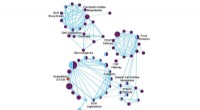
* Food Webs: The interconnected feeding relationships between organisms within an ecosystem, showing how energy flows from producers to consumers to decomposers.
* Nutrient Cycling: The continuous movement of essential nutrients (like carbon, nitrogen, phosphorus) through the ecosystem, ensuring their availability for life.
Overall, an ecosystem is a complex web of interconnected components. The interplay of these abiotic and biotic factors determines the biodiversity, productivity, and overall health of the ecosystem.