Trees:
* Deciduous: These trees lose their leaves in the fall, common in temperate forests. Examples include oak, maple, birch, beech, and elm.
* Coniferous: These trees have needle-like leaves and cones, often found in colder climates. Examples include pine, fir, spruce, and cedar.
* Evergreen: These trees retain their leaves year-round, though some may shed older leaves gradually. They can be deciduous or coniferous. Examples include magnolia, holly, and rhododendron.
Shrubs and Groundcover:
* Understory: These plants grow in the shade of the taller trees, often with smaller leaves and flowers. Examples include rhododendrons, azaleas, ferns, mosses, and wildflowers like trillium.
* Vine: These plants climb trees or other structures for support. Examples include ivy, honeysuckle, and grape vines.
* Wildflowers: These can be found throughout the forest floor, blooming in different seasons. Examples include violets, lilies, orchids, and wildflowers like bluebells.
Other Plants:
* Mushrooms and Fungi: These decomposers play a vital role in breaking down dead organic matter, enriching the soil.
* Lichens: These organisms are a combination of fungi and algae, growing on trees and rocks.
* Mosses: These non-vascular plants often thrive in damp, shaded areas.
Specific Forest Types:
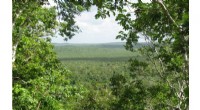
* Temperate Forests: Dominated by deciduous trees, these forests have diverse understory plants and wildflowers.
* Boreal Forests (Taiga): These cold, northern forests are characterized by coniferous trees like spruce and fir.
* Tropical Rainforests: These incredibly diverse forests have a wide variety of trees, vines, epiphytes, and flowering plants.
* Mangrove Forests: These unique forests grow in tidal areas, with salt-tolerant trees and shrubs adapted to brackish water.
To know what plants grow in a specific forest, it's essential to consider its location and environmental factors. There are many online resources and field guides to help you identify forest plants!