1. Origin and Purpose:
* Natural Ecosystem: Develops naturally over time through complex interactions between organisms and their environment. Its purpose is inherently driven by the survival and evolution of those organisms.
* Artificial Ecosystem: Created by human intervention for a specific purpose, whether it be agriculture, urban development, or scientific research.
2. Structure and Components:
* Natural Ecosystem: Characterized by biodiversity, complex food webs, and intricate relationships between organisms.
* Artificial Ecosystem: Often simplified, with a limited number of species and a more controlled environment.
3. Energy Flow and Nutrient Cycling:
* Natural Ecosystem: Typically relies on sunlight as the primary energy source, with efficient nutrient recycling within the system.
* Artificial Ecosystem: Often requires external inputs of energy and nutrients, potentially leading to waste accumulation and environmental issues.
4. Stability and Resilience:
* Natural Ecosystem: Evolved over time to be relatively resilient, adapting to disturbances and maintaining a balance.
* Artificial Ecosystem: Can be fragile and susceptible to disruptions, requiring ongoing management and intervention.
5. Human Impact:
* Natural Ecosystem: Subject to human influence through pollution, habitat destruction, and climate change.
* Artificial Ecosystem: Directly designed and maintained by humans, with the potential to both benefit and harm natural ecosystems.
6. Examples:
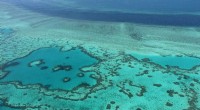
* Natural Ecosystem: Tropical rainforest, coral reef, temperate forest.
* Artificial Ecosystem: Farmland, urban park, aquarium.
Specific Considerations:
* Biodiversity: How many species are present in each ecosystem?
* Trophic Levels: How many levels of the food web are represented?
* Resource Availability: What are the key resources for each ecosystem?
* Regulation and Control: What mechanisms regulate the ecosystem's function?
* Environmental Impact: How does each ecosystem affect the surrounding environment?
Tools for Comparison:
* Ecological indicators: Measures of biodiversity, species richness, and population abundance.
* Nutrient cycling models: Analyze the flow of nutrients within the ecosystem.
* Spatial analysis: Maps and models to visualize the structure and distribution of organisms.
* Simulation models: Computer programs to predict how ecosystems respond to change.
By comparing artificial and natural ecosystems using these criteria, we can gain a deeper understanding of the strengths and limitations of both types of systems, and how we can better manage our interactions with the natural world.