* The Water Cycle: This cycle continuously moves water between the atmosphere, land, and oceans. This provides fresh water for drinking, irrigation, and ecosystems. It also helps regulate the Earth's temperature and climate.
* The Carbon Cycle: This cycle involves the exchange of carbon between the atmosphere, oceans, land, and living organisms. This cycle is crucial for photosynthesis, the process by which plants convert sunlight into energy. It also helps regulate the Earth's temperature by controlling the amount of greenhouse gases in the atmosphere.
* The Nitrogen Cycle: Nitrogen is essential for life, making up a key component of DNA and proteins. This cycle transforms nitrogen gas from the atmosphere into forms that plants can use, and then back again. It's a complex cycle that relies on bacteria to make nitrogen usable.
* The Rock Cycle: This cycle involves the formation, breakdown, and transformation of rocks. It plays a vital role in shaping the Earth's surface, providing essential minerals, and regulating the atmosphere.
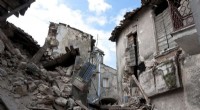
* The Plate Tectonics Cycle: This cycle involves the movement of the Earth's tectonic plates. It is responsible for creating mountains, volcanoes, and earthquakes. It also plays a role in the Earth's climate and the distribution of life on Earth.
Ultimately, all of these cycles are interconnected and rely on each other to maintain a stable and habitable environment for life on Earth. So, picking just one as "the most important" is tricky. They all play a vital role in keeping Earth the way it is!