1. Climate:
* Temperature: Trees have developed mechanisms to tolerate extreme temperatures.
* Cold Climates: Conifers have needles, which lose less water and are better suited for cold, snowy conditions. They also have a deep root system to access water and nutrients in frozen ground. Deciduous trees shed their leaves in winter to conserve energy.
* Hot Climates: Trees like baobab and acacia have thick bark to protect against intense sun and fire. They also develop deep roots to reach water sources, and some have shallow roots to absorb rainfall quickly.
* Sunlight:
* Shaded Environments: Trees adapted to shade have large, broad leaves to maximize sunlight absorption. They may grow tall and slender to reach sunlight above other plants.
* Full Sun: Trees in open areas often have smaller, tougher leaves to prevent excessive water loss. They may have thick, leathery leaves to withstand intense sun exposure.
* Water Availability:
* Dry Climates: Trees like cacti have succulent stems and leaves to store water. They have a deep root system to tap into groundwater sources, and some have modified leaves (spines) to minimize water loss.
* Wet Climates: Trees in rainforests have broad leaves for maximum sunlight absorption. They develop shallow root systems as water is readily available.
2. Soil:
* Nutrient Availability: Trees have adapted root systems that can access different nutrients in the soil.
* Poor Soil: Trees like pines have specialized mycorrhizae (fungi) associated with their roots that help them extract nutrients from poor soil.
* Rich Soil: Trees in fertile areas have shallow root systems that can quickly absorb nutrients.
3. Competition:
* Light: Trees can grow tall to access sunlight, or they may develop dense canopies to shade out competitors.
* Water: Trees can develop extensive root systems to reach water sources, or they may have drought-tolerant leaves to conserve water.
4. Threats:
* Fire: Some trees have thick bark or fire-resistant seeds that allow them to survive wildfires.
* Herbivores: Trees can develop thorns, spines, or toxic compounds to deter herbivores.
5. Reproduction:
* Seed dispersal: Trees have evolved various methods for dispersing their seeds, such as wind, water, or animals.
* Pollination: Trees have adapted their flowers to attract specific pollinators, like bees, birds, or bats.
Examples of Adaptations:
* Mangrove Trees: Grow in saltwater environments with specialized roots that help them breathe air.
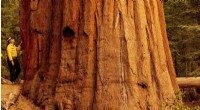
* Redwood Trees: Adapt to coastal environments with fog and have thick bark to protect against fire.
* Desert Trees: Have deep taproots, reduced leaf surface area, and thick bark to withstand drought.
The incredible diversity of tree adaptations allows them to flourish in almost every corner of the world, from the scorching deserts to the frozen tundras.