1. Production of Oxygen: Photosynthesis is the primary source of oxygen in Earth's atmosphere. Plants, algae, and some bacteria capture sunlight, water, and carbon dioxide, converting them into sugars for energy and releasing oxygen as a byproduct. Without this process, the oxygen we breathe wouldn't exist.
2. Energy Foundation: Photosynthesis is the basis of the food chain. Plants convert sunlight into chemical energy (sugars), which is then passed along to herbivores who eat them. Carnivores then consume herbivores, and so on. This energy flow from the sun, captured by photosynthesis, sustains all life on Earth.
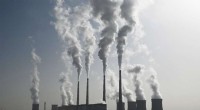
3. Carbon Dioxide Regulation: Photosynthesis absorbs carbon dioxide from the atmosphere, a greenhouse gas that contributes to climate change. This natural cycle helps regulate Earth's temperature and climate.
4. Production of Biofuels: Photosynthesis provides the basis for renewable energy sources like biofuels, which are derived from plants and algae.
5. Building Blocks of Life: The sugars and other organic molecules produced through photosynthesis are the building blocks for all living things, from the smallest bacteria to the largest trees.
In summary: Photosynthesis is essential for:
* Oxygen production
* Energy for life
* Carbon dioxide regulation
* Renewable energy
* Building blocks of life
Without it, life on Earth as we know it would be impossible.