Tropical Rainforests: These areas receive high rainfall and are constantly warm, allowing for a dense canopy of tall trees and a diverse understory of lush vegetation.
Temperate Rainforests: While not as hot as tropical rainforests, these areas also receive significant rainfall and have mild temperatures, supporting an abundance of ferns, mosses, and coniferous trees.
Swamps and Marshes: These wetlands are characterized by standing water and lush aquatic plants, such as cattails, reeds, and water lilies.
Rain Shadow Zones: Found on the windward side of mountain ranges, these areas receive substantial rainfall, leading to lush vegetation.
Riverbanks and Floodplains: These areas receive regular flooding, providing nutrients and moisture for lush plant growth.
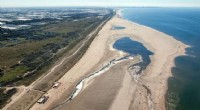
Coastal Areas: Some coastal regions with sufficient rainfall and mild temperatures can support lush vegetation, including salt-tolerant plants.
Gardens and Parks: Human-maintained areas can also be lush, with careful watering and fertilization, providing ideal conditions for plant growth.
Other factors that contribute to lush vegetation:
* Rich soil: Abundant nutrients in the soil support healthy plant growth.
* Favorable climate: Optimal temperatures and humidity allow for efficient photosynthesis and plant growth.
* Limited disturbance: Areas with minimal human impact or natural disasters can maintain lush plant communities.
However, lush plants can also be found in more unexpected places, like deserts (oases) and alpine regions (high altitude meadows). These areas may have specific adaptations that allow them to thrive in seemingly harsh environments.
Ultimately, lush vegetation is a sign of a healthy and thriving ecosystem, indicating abundant resources and favorable conditions for plant life.