1. Abiotic Factors: These are the non-living components of the ecosystem.
* Physical environment: This includes things like:
* Climate: temperature, rainfall, humidity, wind
* Sunlight: intensity, duration, and seasonal variation
* Soil: composition, texture, and nutrients
* Water: availability, quality, and flow
* Topography: elevation, slope, and aspect
* Chemical environment: This includes things like:
* Nutrients: nitrogen, phosphorus, carbon
* Salinity: salt levels in water
* pH: acidity or alkalinity of the soil or water
2. Biotic Factors: These are the living organisms within the ecosystem.
* Producers: These are organisms, mostly plants, that create their own food through photosynthesis.
* Consumers: These are organisms that eat other organisms for energy.
* Decomposers: These are organisms, such as bacteria and fungi, that break down dead organisms and waste products.
3. Interactions between Abiotic and Biotic Factors:
* Nutrient cycling: The flow of nutrients between the living and non-living components of the ecosystem.
* Energy flow: The transfer of energy through the ecosystem from producers to consumers and decomposers.
* Competition: Organisms competing for resources like food, water, or space.
* Predation: One organism (predator) hunting and killing another organism (prey).
* Symbiosis: A close and long-term relationship between two organisms.
4. Boundaries:
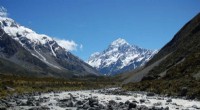
* While ecosystems are interconnected, a specific ecosystem can be defined by its boundaries, which can be natural (e.g., a river, a mountain range) or human-made (e.g., a park, a forest reserve).
Examples of Ecosystems:
* Forest: Trees, plants, animals, fungi, soil, sunlight, water
* Coral reef: Coral, fish, invertebrates, algae, sunlight, ocean currents
* Desert: Cacti, reptiles, insects, sand, low rainfall, extreme temperatures
* Savanna: Grasses, trees, large herbivores, predators, seasonal rainfall, dry climate
It's important to note that ecosystems are dynamic and constantly changing, adapting to new conditions and interactions. They are also interconnected, with one ecosystem often influencing another.