1. Photosynthesis and Light:
* Plants need light to carry out photosynthesis. The chlorophyll in their leaves absorbs light energy, primarily in the red and blue wavelengths, which is used to convert carbon dioxide and water into glucose (sugar) and oxygen.
* The intensity of light directly impacts the rate of photosynthesis. More light generally means faster photosynthesis and faster growth, up to a certain point.
2. Light Tolerance:
* Plants are classified based on their light tolerance:
* Sun-loving plants (sun-tolerant): These plants thrive in full sun, with at least 6 hours of direct sunlight daily. They have adaptations like thick leaves, high chlorophyll content, and efficient water use to handle the intense light. Examples include sunflowers, cacti, and many flowering plants.
* Shade-tolerant plants: These plants can tolerate low light conditions, often found in the understory of forests or shady gardens. They have adapted to lower light intensities and may have larger, thinner leaves to capture more light. Examples include ferns, hostas, and some woodland wildflowers.
* Intermediate plants: Many plants fall somewhere in between, tolerating both sun and partial shade.
3. Impact on Growth and Development:
* Insufficient light: Plants in low light conditions may experience:
* Stunted growth due to reduced photosynthesis.
* Longer, thinner stems as they stretch towards light sources (etiolation).
* Pale leaves due to less chlorophyll production.
* Flower bud drop or reduced flowering.
* Excessive light: While more light generally helps photosynthesis, too much light can damage leaves, leading to:
* Scorching or bleaching of leaves.
* Reduced photosynthesis due to heat stress.
4. Geographic Distribution:
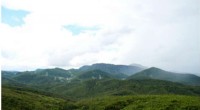
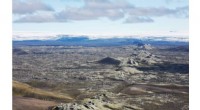
* Light intensity plays a key role in determining where different plant species can thrive.
* Sun-tolerant plants are commonly found in open habitats like grasslands, deserts, and meadows.
* Shade-tolerant plants thrive in forests, under trees, or in shaded areas.
* The changing light conditions across seasons also influence plant growth and distribution.
In conclusion: Light intensity is a crucial environmental factor that determines where plants can grow. Different plants have evolved to adapt to varying light conditions, influencing their geographical distribution and overall health. Understanding light tolerance is essential for successful gardening and agriculture, allowing us to provide optimal growing conditions for different plant species.