Here's why:
* Dynamic Equilibrium: Ecosystems exist in a state of dynamic equilibrium. This means they are constantly shifting and adjusting to changes in factors like:
* Climate
* Food availability
* Population sizes
* Predator-prey relationships
* Disease outbreaks
* Natural Disturbances: Natural events like fires, floods, volcanic eruptions, and even insect outbreaks are part of the natural cycle. They disrupt ecosystems, but also create opportunities for renewal and change.
* Evolution: Species are constantly evolving, adapting to changing environments and creating new interactions within the ecosystem.
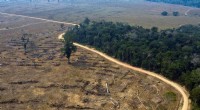
* Human Impact: Humans are a significant force in the environment, and our activities can have a profound impact on ecological systems, often leading to imbalances and disruptions.
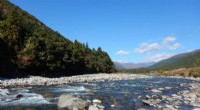
Think of it like a flowing river: There's always movement, with water flowing, changing its course, eroding banks, and creating new paths. Similarly, ecosystems are constantly adapting and evolving.
While we might talk about "balance" as a goal for ecosystems, it's more accurate to view them as resilient systems capable of adapting and adjusting to change. This dynamic nature allows for continuous evolution and the ability to withstand and recover from disruptions.
So, instead of a state of perfect balance, think of nature as a complex web of interactions constantly in motion, striving towards a dynamic equilibrium.