Based on physical environment:
* Terrestrial Ecosystems: These are land-based ecosystems and are further divided into:
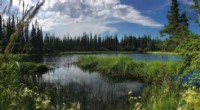
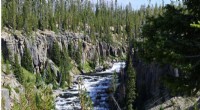
* Forests: Diverse habitats with tall trees, including rainforests, temperate forests, and boreal forests.
* Grasslands: Dominated by grasses and characterized by open landscapes, like savannas and prairies.
* Deserts: Dry and arid regions with sparse vegetation and extreme temperatures.
* Tundra: Cold, treeless regions with permafrost and low-growing plants.
* Aquatic Ecosystems: These are water-based ecosystems and are further categorized into:
* Freshwater Ecosystems: Include lakes, rivers, ponds, and wetlands.
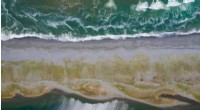
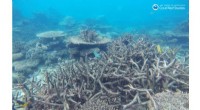
* Marine Ecosystems: Encompass oceans, seas, coral reefs, and estuaries.
Based on specific characteristics:
* Microecosystems: Small-scale ecosystems like a rotting log or a patch of moss.
* Urban Ecosystems: Highly modified landscapes with human-dominated elements.
* Agroecosystems: Managed ecosystems for agricultural production, like farmlands and plantations.
Other forms:
* Artificial Ecosystems: Created and maintained by humans, such as aquariums, zoos, and botanical gardens.
* Paleoecosystems: Ancient ecosystems preserved in geological records.
It's important to note that:
* Ecosystems are interconnected and often exist within larger ecosystems.
* The boundaries between different ecosystems can be blurry and complex.
* These categories are not exhaustive, and there are many other ways to classify ecosystems depending on the specific focus.
Understanding the different forms of ecosystems helps us appreciate the diversity of life on Earth and the complex interactions that maintain these systems.