Habitat
* Tropical Rainforest: A lush, warm, and humid environment with tall trees, abundant rainfall, and diverse plant and animal life.
* Coral Reef: A vibrant underwater ecosystem characterized by colorful corals, a vast array of fish species, and clear, warm waters.
* Desert: A dry and arid landscape with sparse vegetation, extreme temperatures, and limited water availability.
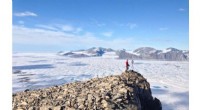
* Tundra: A cold and treeless region with permafrost, short growing seasons, and limited biodiversity.
* Deciduous Forest: A forest dominated by trees that lose their leaves seasonally, characterized by moderate rainfall and distinct temperature changes.
Niche
* The "Honey Bee" Niche: A pollinator that feeds on nectar and pollen, plays a vital role in plant reproduction, and builds complex hives for social living.
* The "Predator" Niche: An organism that hunts and kills other animals for food, often specializing in specific prey (e.g., a lion hunting zebras, a hawk preying on rodents).
* The "Decomposer" Niche: Organisms like bacteria and fungi that break down dead organic matter, returning nutrients to the ecosystem.
* The "Scavenger" Niche: Animals that feed on carrion (dead animals), contributing to ecosystem clean-up (e.g., vultures, hyenas).
* The "Parasite" Niche: Organisms that live on or in another organism, benefiting at the host's expense (e.g., tapeworms, fleas, ticks).
Examples of Niche & Habitat Together
* The "Clownfish" Niche: A fish that lives in symbiosis with sea anemones (habitat) and provides protection for the anemone from predators while gaining shelter and food.
* The "Red-tailed Hawk" Niche: A bird of prey that hunts rodents (niche) and builds its nest in tall trees (habitat).
* The "Hummingbird" Niche: A bird that feeds on nectar from flowers (niche) and migrates to warmer climates in winter (habitat).
Key Takeaways
* Habitat: The physical environment where an organism lives.
* Niche: The organism's role and function within its habitat, including its food sources, interactions with other species, and its influence on the ecosystem.
Remember that a single habitat can support multiple niches, and an organism's niche can change throughout its life cycle or in response to changing environmental conditions.