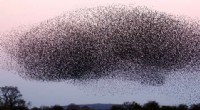
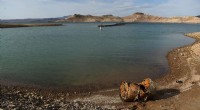
Habitats are the natural environments where living organisms reside and interact with their surroundings. These environments are characterized by specific features that influence the types of organisms that can thrive there. Here's a breakdown of key habitat features:
1. Physical Features:
* Climate: Temperature, rainfall, humidity, and wind patterns influence the types of plants and animals that can survive.
* Topography: The shape of the land, including elevation, slope, and aspect, affects light exposure, drainage, and soil composition.
* Geology: The underlying rock formations influence soil types, water availability, and mineral content.
* Water: Freshwater, saltwater, or brackish water sources are vital for many organisms.
* Light: Sunlight intensity and duration affect photosynthesis and the behavior of animals.
* Soil: The texture, composition, and nutrient content of soil determine the types of plants that can grow.
2. Biological Features:
* Biodiversity: The variety of different species present in a habitat contributes to its stability and resilience.
* Food Webs: Complex interactions between producers, consumers, and decomposers ensure the flow of energy and nutrients.
* Competition: Organisms compete for resources such as food, water, and space.
* Predation: Predators regulate prey populations, affecting species diversity and abundance.
* Symbiosis: Relationships between different species, such as mutualism and parasitism, influence the success of organisms.
3. Human Impacts:
* Pollution: Air, water, and soil pollution can negatively affect habitat health and disrupt natural processes.
* Habitat Degradation: Land-use change, deforestation, and urbanization can fragment habitats and reduce biodiversity.
* Climate Change: Changing temperature and precipitation patterns can alter habitat conditions, leading to shifts in species distribution.
* Invasive Species: Introduced species can outcompete native organisms and disrupt food webs.
4. Temporal Dynamics:
* Seasonal Variation: Seasonal changes in temperature, rainfall, and light availability affect the availability of resources and influence organism behavior.
* Succession: The gradual process of change in a habitat over time, from bare ground to a mature forest, can create diverse and dynamic environments.
* Disturbances: Natural events such as fires, floods, and storms can reshape habitats and create opportunities for new species.
Understanding the features of habitats is crucial for conservation efforts. By recognizing the interconnectedness of these factors, we can better understand the challenges facing ecosystems and work towards protecting the diversity of life on Earth.