By Biome:
* Tropical Rainforests: These are the most biodiverse ecosystems on Earth, with incredible density and variety of trees. Examples include the Amazon Rainforest, the Congo Basin, and Southeast Asia.
* Temperate Forests: These forests have a mix of deciduous and coniferous trees. Examples include the forests of North America, Europe, and Eastern Asia.
* Boreal Forests (Taiga): These are the largest terrestrial biomes, dominated by coniferous trees like spruce, pine, and fir. Found in northern latitudes across the globe.
By Geographic Region:
* The Amazon Rainforest: Home to the largest number of tree species on Earth.
* Southeast Asia: Southeast Asia has dense rainforests with a high diversity of trees.
* The Congo Basin: This area holds the second largest rainforest in the world.
* The Pacific Northwest of North America: Known for its towering coniferous forests, including the iconic redwood trees.
* The Great Lakes Region of North America: Large areas of deciduous forests, with maple, oak, and hickory trees.
* Europe: Varied tree cover, from dense forests in Scandinavia to smaller woodlands in southern Europe.
* Russia: The world's largest country, with vast expanses of boreal forests.
* China: Home to a wide variety of trees, including bamboo forests.
Important Notes:
* Climate: The most important factor for tree growth is climate. Trees need adequate rainfall, sunlight, and suitable temperatures to thrive.
* Soil: The type of soil also plays a role in tree growth. Some trees prefer acidic soils, while others prefer alkaline soils.
* Elevation: Elevation impacts tree growth. Higher altitudes generally have colder temperatures, which limits the types of trees that can grow.
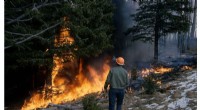
It's important to note that deforestation is a significant issue globally, and many areas that were once abundant in trees are now facing challenges due to human activities.