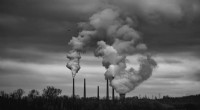
Early Earth Conditions:
* No oxygen: The early Earth's atmosphere had very little oxygen, making it a hostile environment for complex life.
* Extreme temperatures: The Earth's surface was extremely hot, with volcanic activity and frequent meteor impacts.
* Harsh conditions: There were high levels of UV radiation, and the oceans were rich in dissolved metals and other toxic substances.
Prokaryotic Advantages:
* Simple Structure: Simple structure allowed them to adapt and thrive in these harsh conditions.
* Anaerobic Metabolism: Prokaryotes could use alternative energy sources and produce energy without oxygen (anaerobic respiration).
* Fast Reproduction: They reproduce quickly through binary fission, allowing them to evolve and adapt rapidly.
Evidence of Early Life:
* Stromatolites: Fossil structures formed by layers of cyanobacteria, the earliest known photosynthetic organisms.
* Microfossils: Tiny fossils of bacteria and archaea have been found in rocks dating back to over 3.5 billion years ago.
Key Takeaways:
* The earliest life forms on Earth were single-celled prokaryotes, which evolved to survive the harsh conditions of early Earth.
* Prokaryotes were adapted to thrive in an environment with no oxygen and high levels of UV radiation.
* Their simple structure, anaerobic metabolism, and fast reproduction allowed them to dominate the early Earth for billions of years.