* Deserts: These biomes are characterized by extremely low rainfall and high temperatures. The vegetation is sparse, with plants like cacti and succulents that have adaptations to conserve water, such as thick, waxy coatings and deep roots.
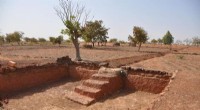
* Savannas: These biomes experience a distinct wet and dry season with warm temperatures year-round. The vegetation is dominated by grasses with scattered trees and shrubs. Grasses are well-adapted to withstand the dry season and regrow quickly during the rainy season.
* Tundra: These biomes are found in cold regions with permafrost, a layer of permanently frozen soil. Vegetation is low-lying and includes mosses, lichens, and grasses. The short growing season and cold temperatures limit plant growth.
Key adaptations of plants in these biomes:
* Water conservation: Plants have adaptations like deep roots, thick cuticles, and reduced leaf surfaces to minimize water loss through transpiration.
* Tolerance to extreme temperatures: Plants can withstand high temperatures, low humidity, and fluctuating conditions.
* Fire resistance: Some plants have adapted to survive and even benefit from periodic fires, which help clear out competition and create space for new growth.
Overall, the vegetation in biomes with higher temperatures and less precipitation is sparse, drought-tolerant, and adapted to survive in challenging conditions.