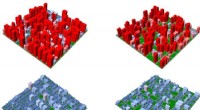
Highly Modified Ecosystems:
* Definition: These ecosystems have undergone significant human alterations, including land-use changes, habitat fragmentation, pollution, and introduction of invasive species. Examples: urban areas, agricultural lands, heavily logged forests.
* Biodiversity: Generally lower biodiversity compared to least modified ecosystems.
* Species richness: Fewer species overall, particularly those sensitive to disturbance.
* Species evenness: Domination by a few generalist species, leading to less even distribution of species.
* Genetic diversity: Reduced genetic diversity within remaining species due to population bottlenecks and limited gene flow.
* Ecosystem services: Can experience diminished ecosystem services like pollination, pest control, and water purification.
Least Modified Ecosystems:
* Definition: These ecosystems have experienced minimal human influence and remain relatively intact. Examples: remote wilderness areas, pristine forests, untouched coral reefs.
* Biodiversity: Generally high biodiversity.
* Species richness: Abundant species richness with a wide variety of species adapted to specific habitats.
* Species evenness: More even distribution of species, reflecting the natural balance of the ecosystem.
* Genetic diversity: High genetic diversity within species, supporting evolutionary resilience.
* Ecosystem services: Intact ecosystem services providing numerous benefits to humans and the planet.
Key Differences:
| Feature | Highly Modified Ecosystems | Least Modified Ecosystems |
|---|---|---|
| Human Influence | Significant | Minimal |
| Species Richness | Lower | Higher |
| Species Evenness | Less even | More even |
| Genetic Diversity | Lower | Higher |
| Ecosystem Services | Diminished | Intact |
| Resilience | Lower | Higher |
| Vulnerability | Higher | Lower |
Consequences of Biodiversity Loss in Highly Modified Ecosystems:
* Loss of ecosystem services: Impacts on food security, water quality, climate regulation, and human health.
* Increased vulnerability to disease and invasive species: Reduced resilience to natural disturbances.
* Aesthetic and cultural losses: Diminished value of natural landscapes.
* Economic impacts: Loss of resources and potential for future development.
Protecting Biodiversity in Highly Modified Ecosystems:
* Habitat restoration: Reversing habitat loss and degradation.
* Sustainable land management practices: Minimizing human impacts and preserving natural processes.
* Conservation efforts: Protecting remaining species and ecosystems.
Conclusion:
Least modified ecosystems are vital for maintaining biodiversity and supporting healthy ecosystems. While highly modified ecosystems offer opportunities for human activities, it's crucial to prioritize biodiversity conservation and sustainable practices to mitigate the negative consequences of human impact.