Positive Impacts:
* Seed dispersal: Wind carries seeds far and wide, helping plants colonize new areas and maintain genetic diversity. This is especially important for plants that produce lightweight seeds with wings or parachutes.
* Pollination: Wind can transport pollen from one plant to another, facilitating fertilization and reproduction. Many plants rely on wind pollination, particularly those with small, inconspicuous flowers.
* Nutrient transport: Wind can move nutrients from one part of the ecosystem to another, enriching soil and providing essential elements for plant growth.
* Cooling effect: Wind can provide a cooling effect, especially in hot climates, helping organisms regulate their body temperature.
* Oxygen transport: Wind helps distribute oxygen throughout the environment, making it available to organisms for respiration.
Negative Impacts:
* Habitat destruction: Strong winds can damage trees and other vegetation, creating gaps in forests and reducing habitat for animals. This can also lead to soil erosion and changes in vegetation patterns.
* Drought: Wind can exacerbate drought conditions by increasing evaporation from the soil and water bodies. This can stress plants and animals, leading to reduced growth and survival rates.
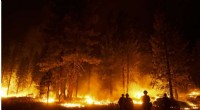
* Fire spread: Wind can accelerate the spread of wildfires, increasing the risk of damage to ecosystems and wildlife.
* Salt spray: Coastal winds can carry salt spray inland, damaging vegetation and impacting the survival of sensitive organisms.
* Frost damage: Cold winds can increase the risk of frost damage to plants, especially in areas with cold climates.
Adaptations:
* Plants: Many plants have evolved adaptations to withstand strong winds, such as deep roots, flexible stems, and streamlined shapes.
* Animals: Some animals have also developed adaptations to live in windy environments, including strong claws for clinging to surfaces, thick fur for insulation, and the ability to fly or burrow.
Overall, wind is a complex and dynamic force that can have both positive and negative impacts on living things in an ecosystem. The specific effects of wind will vary depending on the location, climate, and specific species present.