* Climate: Temperature, rainfall, humidity, etc.
* Dominant plant life: Trees, grasses, shrubs, etc.
* Animal life: Species adapted to the specific climate and plants.
Here's a simplified breakdown:
* Think of it like a "macro-ecosystem": It covers a vast geographical area and is defined by its dominant plant and animal life.
* Climate is key: A biome's climate determines what types of plants and animals can thrive there.
* Interconnectedness: Within a biome, plants, animals, and the environment are all interconnected and depend on each other.
Examples of Biomes:
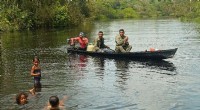
* Tropical Rainforest: Warm, humid, abundant rainfall, dense trees, diverse wildlife.
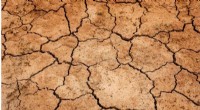
* Desert: Hot and dry, sparse vegetation, animals adapted to conserve water.
* Tundra: Cold, treeless, short growing season, adapted plants and animals.
* Grassland: Wide open spaces, grasses as dominant vegetation, grazing animals.
* Deciduous Forest: Four distinct seasons, trees lose leaves in fall, varied animal life.
Important points to remember:
* Biomes are not rigid boundaries: They can transition into each other, creating ecotones.
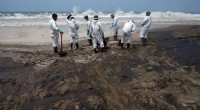
* Human impact: Human activities can significantly alter biomes, leading to habitat loss and species extinction.
* Biodiversity: Biomes are incredibly important for maintaining biodiversity on Earth.
Understanding biomes helps us to appreciate the incredible diversity of life on Earth and the delicate balance of ecosystems. It also emphasizes the importance of conservation efforts to protect these valuable natural habitats.