Human activities have a profound impact on both flora (plants) and fauna (animals) across the globe. These impacts can be categorized as follows:
Positive Impacts:
* Conservation efforts: Species protection, habitat restoration, and sustainable resource management contribute to the preservation of biodiversity.
* Reintroduction programs: Bringing back endangered species to their natural habitats can increase populations and restore ecological balance.
* Agricultural advancements: Selective breeding and genetic engineering can improve crop yields and reduce the need for land clearing, benefiting both plant and animal life.
Negative Impacts:
1. Habitat Loss and Degradation:
* Deforestation: Clearing forests for agriculture, logging, and urbanization destroys habitats and disrupts ecological processes.
* Land conversion: Converting natural areas to farmland, infrastructure, and urban sprawl fragments habitats, isolates populations, and reduces biodiversity.
* Pollution: Air, water, and soil pollution degrade habitats and can directly harm organisms.
2. Climate Change:
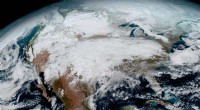
* Temperature increases: Altered temperatures disrupt breeding cycles, migration patterns, and plant growth, leading to species decline and ecosystem instability.
* Sea level rise: Coastal habitats are flooded and eroded, impacting marine and coastal species.
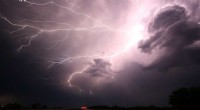
* Extreme weather events: Increased frequency and intensity of droughts, floods, and storms negatively affect flora and fauna.
3. Overexploitation:
* Overfishing: Unsustainable fishing practices deplete fish populations and disrupt marine ecosystems.
* Hunting and poaching: Illegal hunting and poaching push many species toward extinction.
* Trade in wildlife: The illegal trade of endangered animals and plants fuels their exploitation and decline.
4. Invasive Species:
* Accidental introductions: Non-native species can outcompete native flora and fauna, disrupting ecosystems and leading to biodiversity loss.
* Intentional introductions: Species introduced for agricultural or ornamental purposes can become invasive and cause significant damage.
5. Pollution and Chemical Use:
* Pesticides and herbicides: Chemicals used in agriculture can poison wildlife and disrupt food chains.
* Industrial pollution: Toxic chemicals and heavy metals released into the environment can contaminate water sources and cause widespread damage.
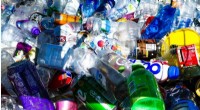
* Plastic pollution: Plastic waste accumulates in the environment, harming marine life and disrupting ecosystems.
Consequences of these impacts:
* Biodiversity loss: Extinction and decline of species disrupt ecosystems, reduce resilience, and decrease ecosystem services.
* Loss of ecosystem services: Reduced pollination, water purification, and carbon sequestration due to degraded ecosystems have negative consequences for humans.
* Spread of diseases: Loss of biodiversity can lead to the emergence of new diseases and increase the risk of pandemics.
Addressing the Issues:
* Sustainable land management: Protecting natural habitats, promoting sustainable agriculture, and reducing deforestation.
* Climate change mitigation: Reducing greenhouse gas emissions and adapting to climate change impacts.
* Conservation and restoration: Establishing protected areas, reintroducing species, and restoring degraded ecosystems.
* Regulation and enforcement: Stricter laws and enforcement to prevent overexploitation, pollution, and the introduction of invasive species.
* Public education: Raising awareness about the importance of biodiversity and encouraging responsible behavior.
Human activities have a significant impact on flora and fauna. Addressing these impacts is crucial for ensuring the long-term health of our planet and our own well-being.