Negative Impacts:
* Habitat Loss and Fragmentation:
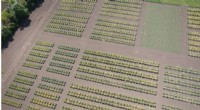
* Agricultural expansion, urbanization, and infrastructure development have resulted in the loss of vast areas of natural savannah landscapes. This reduces habitat for wildlife and disrupts natural ecological processes.
* Fragmentation of remaining savannah areas isolates populations, hindering gene flow and making them more vulnerable to extinction.
* Overgrazing:
* Uncontrolled livestock grazing, often by domestic animals like cattle, can deplete vegetation, degrade soil quality, and disrupt the balance of plant communities. This can negatively impact other wildlife that rely on those plants for food and shelter.
* Bushmeat Hunting:
* Excessive hunting of wildlife, including large mammals, can destabilize food chains and lead to population declines or even extinctions.
* Fire Suppression:
* Savannas are adapted to natural fires. Suppression of these fires can lead to the accumulation of fuel, increasing the risk of larger and more destructive fires in the future. This disrupts the natural regeneration of vegetation and can favor the dominance of certain species.
* Invasive Species:
* Introduction of non-native plant and animal species can disrupt native ecosystems, outcompete native species, and alter the overall ecological balance.
* Climate Change:
* Increased temperatures, altered rainfall patterns, and more frequent droughts can stress savannah ecosystems, leading to changes in plant communities, increased risk of wildfires, and potential shifts in animal populations.
Positive Impacts:
* Conservation Efforts:
* Protected areas and conservation initiatives are helping to safeguard some savannah ecosystems and wildlife populations.
* Sustainable Land Management:
* Implementing practices like rotational grazing, controlled burning, and agroforestry can help maintain the health and biodiversity of savannahs while allowing for sustainable land use.
* Ecotourism:
* Responsible tourism can generate income for local communities and raise awareness about the importance of savannah conservation.
Specific Examples:
* The African savanna has been greatly affected by habitat loss due to agriculture and urbanization, leading to declines in iconic animals like elephants, lions, and giraffes.
* In the South American Cerrado, extensive deforestation for agriculture and cattle ranching has threatened its unique biodiversity.
* The Australian savanna has experienced severe impacts from invasive species like the cane toad, which has disrupted native ecosystems.
Overall:
It is crucial to understand the interconnectedness of human activities and the savanna ecosystem. Sustainable practices and conservation efforts are essential to mitigate the negative impacts and ensure the long-term health and resilience of these valuable environments.