The destruction of natural vegetation, also known as deforestation, is a complex issue with various causes, both human-induced and natural. Here's a breakdown:
Human-Induced Causes:
* Agriculture: Clearing land for farming is the primary cause of deforestation. This includes both subsistence farming and large-scale commercial agriculture, such as for crops like palm oil, soybeans, and cattle grazing.
* Logging: Harvesting timber for wood products, paper, and fuel is another major driver of deforestation. Illegal logging, often driven by demand for valuable hardwoods, further exacerbates the issue.
* Urbanization and Infrastructure Development: As cities grow and infrastructure projects like roads, dams, and mining operations expand, they often require clearing vast tracts of land, leading to habitat loss.
* Mining: Extracting minerals and fossil fuels often involves clearing forests and disturbing the soil, leading to habitat destruction and pollution.
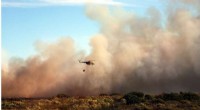
* Fires: Accidental and intentional fires, often set for clearing land or for agricultural purposes, can devastate natural vegetation.
* Overgrazing: When livestock graze in excess of the carrying capacity of the land, it can lead to soil erosion, desertification, and the destruction of vegetation.
Natural Causes:
* Natural Disasters: Wildfires, volcanic eruptions, hurricanes, and other natural disasters can cause significant damage to forests and other natural vegetation.
* Climate Change: Rising temperatures and changes in rainfall patterns can stress vegetation, making it more susceptible to disease, fire, and drought, leading to habitat loss.
* Invasive Species: Introduced species that outcompete native plants can disrupt ecosystems and lead to the decline of natural vegetation.
Consequences of Vegetation Destruction:
* Loss of Biodiversity: Natural vegetation provides habitats for a vast array of species, and its destruction leads to habitat loss and the decline of biodiversity.
* Climate Change: Forests act as carbon sinks, absorbing carbon dioxide from the atmosphere. Deforestation releases this carbon back into the atmosphere, contributing to climate change.
* Soil Erosion and Desertification: The loss of vegetation leaves the soil vulnerable to erosion by wind and water, leading to desertification and the degradation of land.
* Water Cycle Disruption: Vegetation plays a crucial role in the water cycle by regulating water flow, filtering pollutants, and preventing flooding. Deforestation disrupts this cycle, leading to water scarcity and increased flooding.
* Economic Impacts: Deforestation can have significant economic impacts, affecting livelihoods in communities dependent on forests and reducing the availability of natural resources.
Solutions for Protecting Natural Vegetation:
* Sustainable Forest Management: Practices like selective logging, reforestation, and sustainable harvesting can help protect forests and ensure their long-term sustainability.
* Protected Areas: Establishing national parks, reserves, and other protected areas helps safeguard important ecosystems and biodiversity.
* Education and Awareness: Raising public awareness about the importance of natural vegetation and the consequences of deforestation can promote responsible practices.
* Policy and Regulation: Strong policies and regulations are needed to prevent illegal logging, promote sustainable land use, and hold individuals and companies accountable for environmental damage.
* Community Involvement: Engaging local communities in forest management and conservation efforts can be crucial for ensuring their success.
Protecting natural vegetation is essential for maintaining biodiversity, mitigating climate change, and ensuring the well-being of current and future generations. By understanding the causes of destruction and promoting sustainable practices, we can work towards a future where these vital ecosystems are protected and restored.